
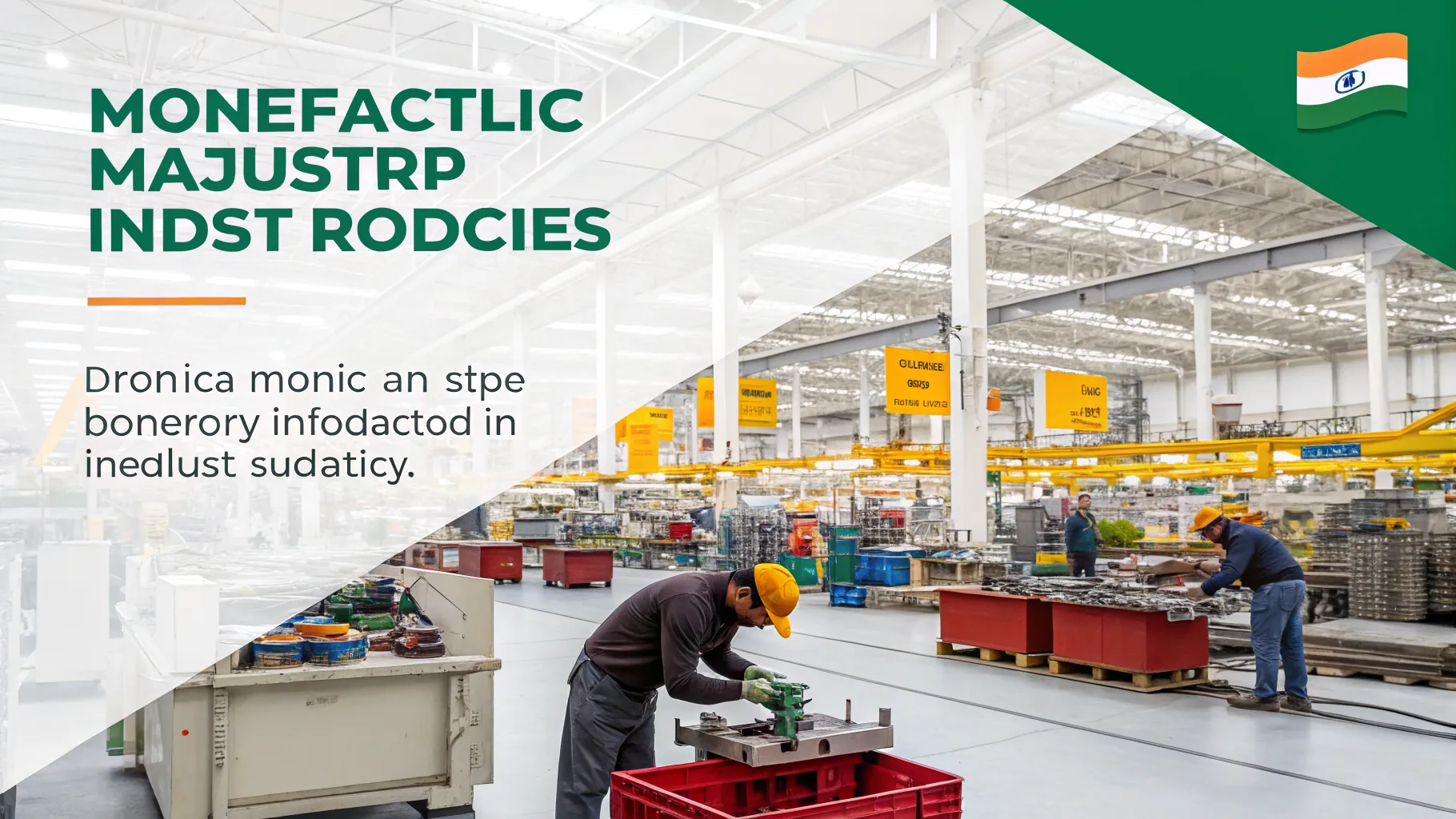

India is pressuring companies to reduce their dependence on imports and build more at home, part of a broader effort to strengthen domestic industry and increase exports. This effort includes closer tracking of incoming goods, new market access through trade agreements and a national fair to promote local products. Officials say the plan aims to support employment, improve resilience and position Indian businesses for global demand.
Context: A campaign for national strength
The government has signaled a clear shift towards autonomy in recent years. The idea is to boost manufacturing, protect critical supply chains and increase exports. Policymakers define the strategy as a balance between open trade and local capabilities.
Proponents argue that stronger factories at home can reduce risks from supply shocks. They also say it can help small and medium-sized businesses grow. Critics warn that too much protection can raise prices and slow innovation. The latest measures aim to thread this needle by linking local production targets with better access to trade.
Import monitoring and local manufacturing
Authorities are calling on the industry to study import models and identify products that can be manufactured domestically. The approach aims to highlight cost gaps, quality gaps and areas where rapid substitution is possible.
“Indian companies are encouraged to monitor imports and identify local manufacturing opportunities.”
Industry groups say better data can guide investments. Sectors often cited include electronic components, industrial machinery, specialty chemicals and consumer goods. Companies also monitor input costs, logistics and skills requirements to determine which elements can be localized first.
Analysts note that targeted support, clear standards and predictable rules will be essential. Without it, companies may struggle to finance new factories or achieve export-grade quality.
Rising exports and more ambitious goals
Exports have increased and the government has set ambitious targets for the coming years. The plan is based on higher value-added manufacturing production and broader market access. Business partners in Asia, the Middle East and Africa remain a priority, alongside traditional markets in Europe and North America.
“Indian exports are growing, with ambitious targets set for the years to come. »
Achieving these objectives will depend on competitiveness. This includes energy costs, logistics speed and product standards. It also depends on constant demand in foreign markets, which can change with global cycles.
Trade deals to open the doors
Officials say new, expanded free trade agreements are at the heart of the plan. Lower prices and simpler rules can help Indian suppliers enter new niches and win long-term contracts.
“Free trade agreements are being expanded to improve market access. »
Businesses welcome tariff reductions but seek clarification on rules of origin and compliance. They note that trade agreements work best when domestic inputs meet strict quality standards. Stronger certifications and testing systems can help close this gap.
Swadeshi Trade Fair to showcase local products
A Swadeshi national fair is planned to showcase Indian products and services. Organizers describe it as a platform for suppliers to meet buyers, showcase innovations and build a brand identity around ‘Made in India’.
“A Swadeshi show will showcase Indian products and services, promoting “Made in India” products. »
Small and medium-sized businesses see the show as a way to test demand and secure distribution. Large companies can use it to show supply chain depth and new designs. Export councils plan to invite foreign buyers to expand their reach.
Opportunities, risks and industry needs
Executives and business experts clearly outline the opportunities and risks of the plan.
- Opportunities: import substitution, job creation, export branding and supply chain stability.
- Risks: rising input costs, policy changes and lack of capacity in terms of skills and tools.
The companies say progress will depend on faster approvals, reliable power and better logistics. Access to credit for the purchase of new machinery and consistent tax rules are also high on the list. Training programs for advanced manufacturing could accelerate adoption in electronics, automotive components and machinery.
What to watch next
Companies will monitor the rollout of import controls, the pace of new trade deals and buyer participation at the Swadeshi fair. They will also look for signs that export finance and quality infrastructure are meeting targets.
The plan combines local strength with global reach. If businesses can scale while meeting international standards, exports could increase and supply chains could become more resilient. If costs rise too quickly, progress could slow down.
The next test will come when companies map import-heavy product lines and present them for local production. The results will show whether autonomy and open trade can evolve together.



