
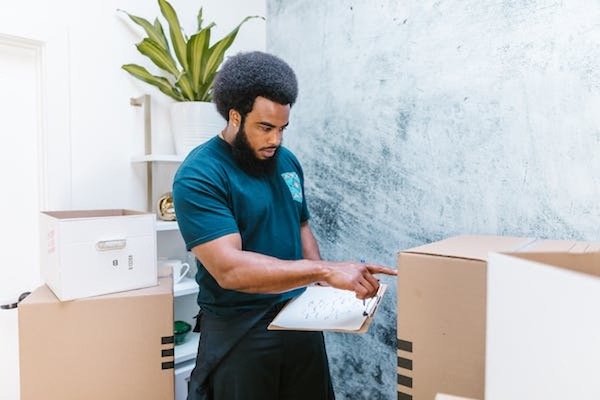

Moving often involves much more than packing furniture and clothes. Many homeowners also need to move their garages, sheds and hobby spaces filled with tools, workshop equipment, sports equipment and specialty items. These belongings may be heavy, delicate or valuable, so moving them safely requires a little more planning than simply placing them in boxes.
Having a clear checklist can make the process much smoother and help ensure everything arrives at your new home safely.
1. Sort and declutter first.
Before you pack anything, go through your hobby tools and equipment and decide what you really want to keep. Over time, many people accumulate rarely used items. Separate items into three groups: keep, donate or selland throw it away. Reducing the number of items you move saves time, space and effort and makes organizing your new workspace much easier.
2. Create an inventory.
Once you know what you’re moving, make a simple inventory list of your equipment. This helps track items during the move and ensures nothing is left behind in the garage or shed. For valuable tools or equipment, remember to record serial numbers and take photos. Numbering the boxes and matching them to your inventory list can make unpacking much more efficient.
3. Clean and prepare equipment.
Cleaning tools before packing them helps protect them and prevents dirt, oil or sawdust from spreading to other belongings. Wipe down tools, remove debris, and make sure they are dry before packing them. This also gives you the opportunity to inspect items for any maintenance issues before they are stored or transported.
4. Drain fluids from machines.
Equipment such as lawn mowers, chainsaws, pressure washers and motorcycles may contain fuel or oil. These fluids should be drained before moving to avoid leaks and potential hazards during transportation. Taking this step protects both your equipment and other items being moved.
5. Disassemble larger items.
Larger tools and equipment are often safer to transport when partially disassembled. Removing handles, blades, brackets or detachable parts can make packing items easier and reduce the risk of damage. Store small components such as screws and bolts in labeled bags so they are easy to find when reassembling the equipment later.
6. Protect sharp and fragile parts.
Many tools have sharp edges or delicate components that require additional protection. Individually wrap items such as drill bits, saw blades, chisels and measuring equipment using bubble wrap or protective coverings. This prevents damage and also reduces the risk of injury when unpacking.
7. Use strong packaging materials.
Heavy tools require sturdy boxes or durable plastic containers. Double-walled crates, tool chests and storage bins are ideal for protecting equipment during transport. Avoid overfilling boxes, as they may become too heavy to lift safely. Adding padding, such as packing paper or foam, helps prevent items from moving during the move.
8. Label boxes clearly.
Clear labels help ensure your equipment ends up in the correct area of your new home. Include basic information such as contents, destination room, and whether the box contains fragile or heavy items. This makes unloading and organization much easier.
9. Plan for heavy lifting.
Workshop tools and equipment can be surprisingly heavy. Using proper lifting techniques and equipment can help prevent injuries. Consider using carts or dollies to move large items and always ask for help when lifting large equipment.
10. Arrange specialized transportation if necessary.
Some recreational equipment may require specialized transportation, including motorcycles or large machines. In these cases, professional services can help ensure safe handling. For example, owners moving their vehicles can use services such as car transporters in San Antonio to move vehicles safely between locations.
11. Keep essential tools accessible.
It helps to separately pack a small toolbox containing basics such as screwdrivers, a utility knife and a tape measure. These tools are often needed immediately when assembling furniture or making small adjustments in your new home.
Final Thoughts
Moving tools, equipment, and hobby equipment safely requires careful preparation, but the process doesn’t have to be complicated. By decluttering, organizing, packing carefully, and using proper transportation methods, homeowners can protect their equipment and avoid unnecessary stress during a move. With a little planning, you can ensure your tools arrive safely and be ready to quickly set up your new workspace.



