
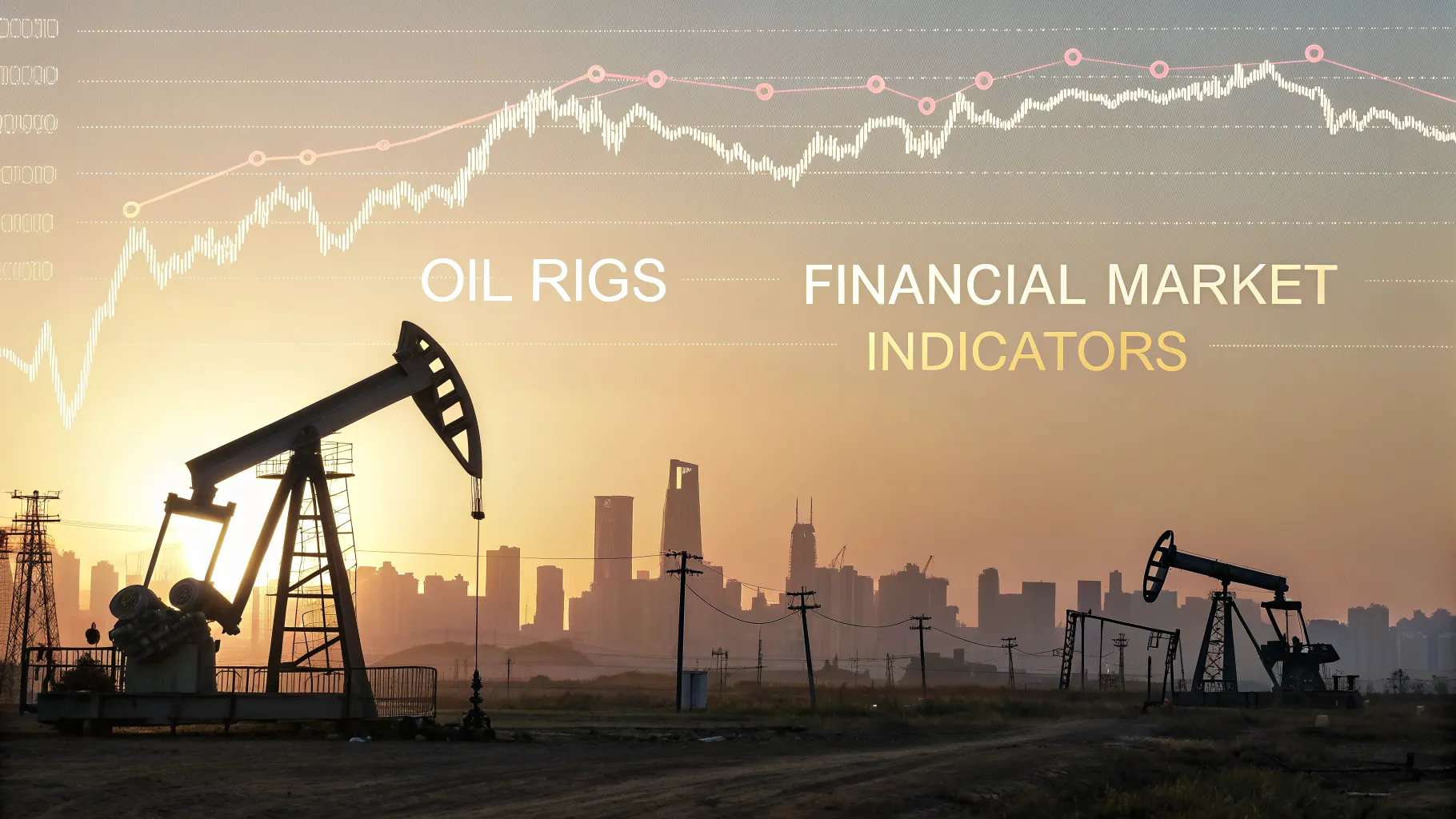

Oil prices soared and stock futures fell after negotiations between the United States and Iran to reach a peace deal failed, adding new tensions to risk-sensitive markets in the Middle East.
Traders acted quickly as the news signaled greater uncertainty over global energy supplies. This reaction reflects the long-standing ties between diplomacy in the region and developments in crude oil, transportation and defense prices. Although details of the negotiations were limited, the setback revived questions about supply stability and inflationary pressures that have eased in recent months.
“Oil prices rose and stock futures fell as investors reacted after the two sides failed to agree on a deal. US-Iran peace agreement.”
Why the markets reacted
Energy markets often follow signals from the Middle East, where supply routes and production levels can change quickly. A diplomatic failure may portend further frictions to come, which will increase the risk premium on oil. This premium results in higher prices, even before supply is actually interrupted.
Stock futures fell as investors weighed the possibility of higher fuel costs. Rising oil prices can reduce business margins and consumer budgets. It may also make central banks more cautious if inflation picks up. Defensive sectors, such as utilities and consumer staples, tend to hold up better during such periods, while transportation and discretionary sectors come under pressure.
Background: US-Iran tensions and energy supply
Relations between Washington and Tehran have evolved for decades, through sanctions, nuclear negotiations and regional conflicts. Oil markets are sensitive to any signs that exports may be restricted or transit routes are threatened. Even when production remains stable, the fear of disruption is enough to cause prices to move.
Shipping routes near the Strait of Hormuza key chokepoint for global crude, is often the focus of investors’ attention. Past surges have led to increased insurance costs for tankers and temporary rerouting of supplies. Markets tend to quickly reassess risk and then reassess it as new information emerges.
What investors are watching
- Any resumption of talks or any signal of diplomatic engagement.
- Changes in regional transportation security or reports of transit slowdowns.
- Updates from major producers on production plans and spare capacity.
- Inflation data may reflect higher fuel and transportation costs.
Inflation, rates and policy direction
Higher oil prices can spill over into gasoline, jet fuel and diesel, which can drive up transportation and commodity prices. If this trend continues, it could complicate the path to interest rate cuts expected by investors. Central banks often look past short hikes, but persistent increases in the energy sector can slow progress toward inflation targets.
For now, policymakers will likely monitor the extent of price movements. If wage growth and demand remain stable while fuel rises, this combination could weigh on growth-sensitive sectors without triggering an immediate policy change. The coming weeks will be crucial for detecting second-round effects.
Sector impact and market positioning
Energy producers generally benefit from rising crude prices, while airlines and shippers face higher costs. Refiners may see mixed effects depending on margins and crack propagation. Defense and security-related companies could attract interest if investors expect longer regional tensions.
Portfolio managers often reduce risk when geopolitical news arises. This may mean a shift to cash, Treasuries or gold, and more hedging in options markets. The duration of the movement depends on whether the situation is deteriorating or showing signs of easing.
Scenarios to consider
If trading resumes, oil’s risk premium could decline, helping stocks stabilize. If tensions escalate, prices could stay firm or rise, keeping pressure on rate cut hopes and cyclical stocks. Supply responses from other producers could soften the blow, but timing and logistics are important.
Investors can also monitor stock data for signs of tighter conditions. Drawdowns can confirm supply stress, while increases can signal that demand is adapting or that alternative barrels are arriving.
The latest market moves reflect a classic pattern: rising energy, cautious equities, and a refocus on policy and supply. Without a breakthrough, volatility could persist. A new diplomatic path could calm prices and restore risk appetite, but for now, cautious positioning and close attention to energy and inflation data appear prudent.



