
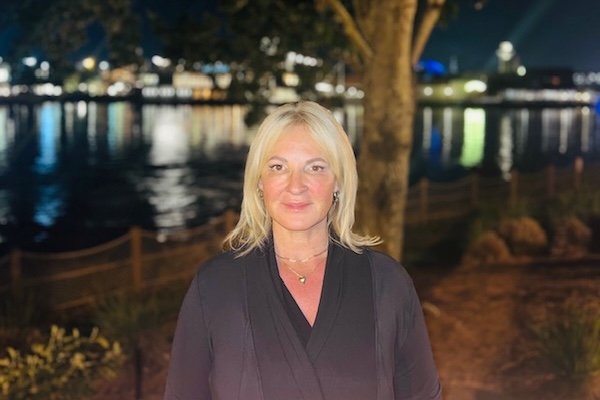

Lucy Lukic is President of AGFI (Anchor Group Financial Inc.) in Hamilton, Ontario, and an insurance advisor with 25 years of experience. Throughout her career, she has held senior management positions at leading firms including CIBC Financial Planning, Burgeonvest Bick Securities, Burgeonvest Insurance Corp, yourCFO Advisory Group and Hub Financial. Known for its customer-focused mindset, Lucy is passionate about demystifying insurance and helping Canadians secure their long-term financial future.
Beyond his professional achievements, Lucy is a dedicated philanthropist who actively supports animal rescue efforts, child welfare initiatives, and charities fighting human trafficking.
Q: The Canadian insurance market is currently moving toward living benefits rather than traditional death benefit policies. How do you see this trend playing out in your work?
Lucy Lukic: We are seeing a big shift in what Canadians expect from their insurance. For a while, insurance was primarily seen as a safety net for deceased loved ones. Now, young professionals and families want living benefits as coverage against critical illness and disability because these policies help people protect their finances while they are alive. They want to have the financial liquidity to pay their mortgage, cover childcare costs or access alternative treatments in the event of a health problem.
Q: Recent industry data indicates that many Canadians worry about things like cancer and heart attacks, but less than 10% have critical illness coverage. Why do you think this is the case?
Lucy Lukic: There is a very large knowledge gap. Many Canadians fully believe that their public benefits or health care will cover everything if they get sick. In reality, benefits don’t provide the flexibility to cover medical expenses, lifestyle changes, or loss of income for a spouse who must miss work. People also fall for the myth that critical illness benefits can only be used to cover direct medical costs, when in reality the lump sum benefit is completely tax-free and can be used however one wishes.
Q: More and more insurance companies are offering modular lifestyle products to attract young people. What does this mean for the everyday customer?
Lucy Lukic: This means that the cover becomes more customizable. In the past, critical illness insurance policies were rigid, all-or-nothing arrangements. Now, insurers are allowing customers to choose specific terms, add riders for early diagnosis and even integrate wellness benefits that encourage preventative health. For the under-40 generation, who value flexibility above all else, this means they don’t have to overpay for bulky packages when they only need personalized cover for each specific stage of their life.”
Q: How does this focus on living benefits address the increasing cost of living and medical expenses in Canada?
Lucy Lukic: In a period like this, financial fragility reaches an unprecedented level. While a diagnosis can impact a person’s physical health, it also affects household cash flow. If a client has a critical illness insurance policy with a tax-free payout, they are essentially buying time to focus on their recovery without feeling pressured to use their retirement savings or accumulate high-interest debt.
Q: If someone is reviewing their insurance plan this year, what steps should they take to take advantage of these new living benefits trends?
Lucy Lukic: Don’t rely on assumptions. Start by reviewing your current coverage with an advisor to identify any blind spots between your benefits and your individual needs. It’s also a good idea to ask about modular critical illness riders that offer early payments. When you tailor a plan to your lifestyle, you ensure that if the unexpected happens, you protect both your health and your financial future.



