
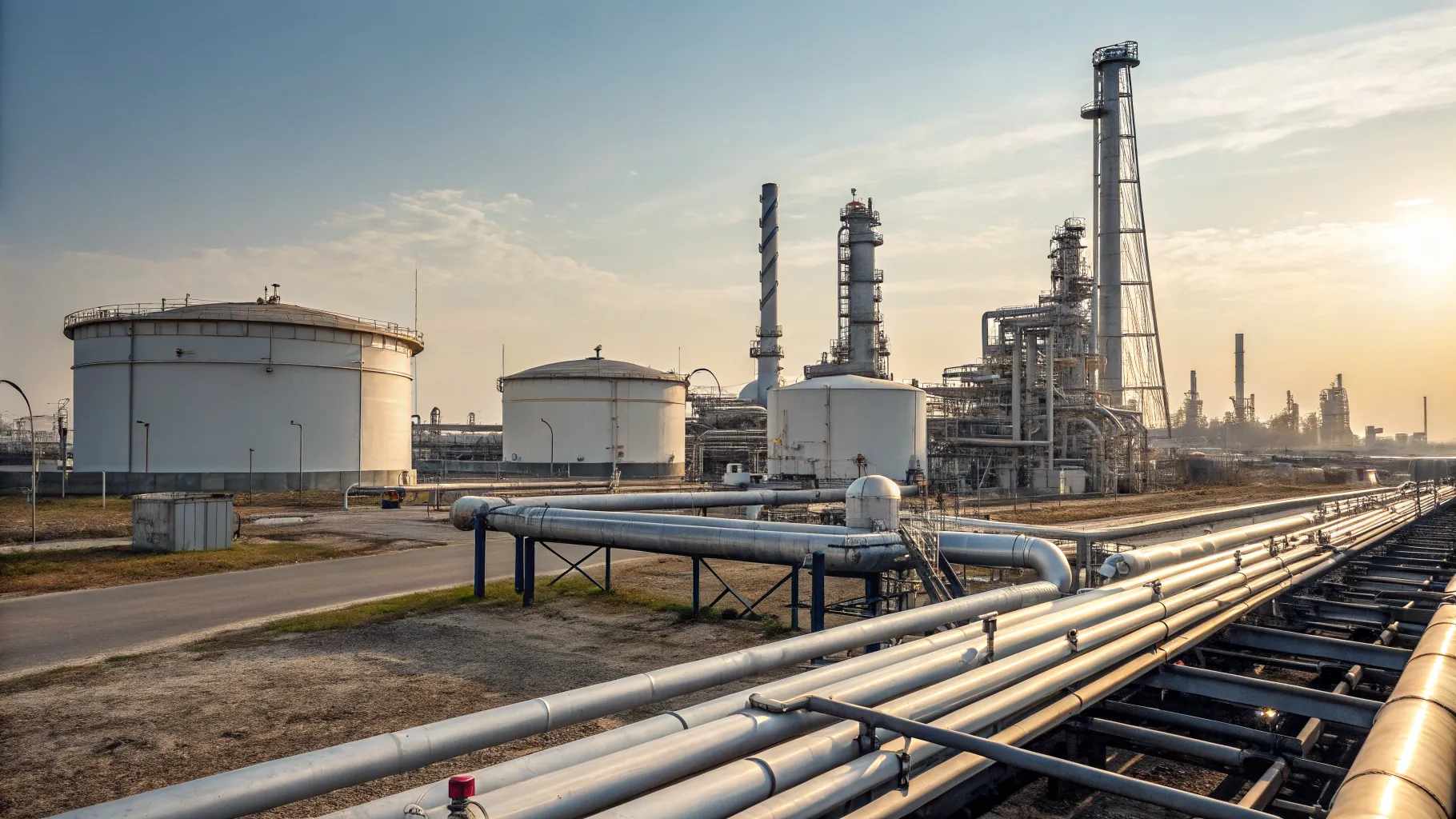

A new conflict involving Iran has shaken global energy marketsincreasing the risk of rising fuel and heating costs for American households. Analysts warn that supply concerns, shipping disruptions and investor anxiety could impact prices within weeks, although direct damage to oil production remains limited. The concern is not just about crude oil. It’s also about refined products, transportation routes, and inflationary pressures that ripple through the entire economy.
“As the war in Iran disrupts global energy markets and the U.S. economy, Americans could feel the financial consequences. »
The warning comes as traders reassess risks in the Middle East, a region that supplies much of the world’s liquid oil and natural gas. Any threat to shipping lanes or export terminals can cause prices to move quickly. This in turn affects gasoline, diesel, jet fuel and the cost of goods that rely on transportation.
Why energy shocks strike so quickly
Oil is priced globally and U.S. consumers are exposed, even with high domestic production. If tankers face delays, insurers raise premiums or refiners anticipate deficits, wholesale prices can rise. Gas stations reflect these changes soon after, especially in areas where fuel supplies are tighter.
Higher energy costs are often reflected in airfares, trucking rates and the price of food. For families, the most visible problem is the pump. For businesses, diesel and jet fuel increase logistics expenses. If these costs persist, companies could pass them on to their customers, putting further pressure on inflation data.
Historical context and market memory
The markets have already seen this film. Past tensions in the Middle East have led to price spikes and volatility. Although every crisis is different, traders often react first and refine their view later, once the scale of the disruption is clearer. This rapid price revision can put a strain on budgets even if supply is not permanently disrupted.
Policy responses have varied. During previous shocks, governments coordinated the release of their strategic stocks and modified import flows. U.S. shale production has served as a buffer in recent years, but drilling is slow to respond. Refining capacity and maintenance schedules can also limit how quickly supply comes to market.
Potential pressure points for American households
- Gasoline and diesel prices could rise if crude and transportation costs increase.
- Airfares and freight rates could come under upward pressure.
- Home heating bills could rise in colder regions if fuel supplies tighten.
- Prices of food and goods could reflect higher transportation costs.
Counterweights that could limit the damage
There are countervailing forces. U.S. oil production remains high by historical standards, and spare capacity at some producers could stabilize supply if activated. Strategic reserves can fill temporary gaps. A slowdown in global growth would also dampen demand, easing pressure on prices. Refiners can adjust their crude inventories and import patterns to accommodate route changes.
Financial conditions also matter. If inflation shows signs of strengthening thanks to energy, borrowing costs could remain high for longer, weighing on demand and moderating price increases. Conversely, if the shock is brief and contained, price increases could fade as logistics normalize.
Shipping routes and geopolitical risk
The biggest wild card is maritime security. Any disruption to key choke points or insurance markets can increase costs, even without direct loss of barrels. Rerouting tankers adds days and expense. Uncertainty alone can drive prices higher as buyers seek to secure supplies quickly, tightening spot markets.
Energy companies typically hedge and diversify, but not every refiner or shipper can compensate for rapid changes. Small businesses with low margins could be the first to feel the pain, particularly in trucking networks and regional fuel retail networks.
What to watch next
Traders will monitor shipping traffic, refinery operations and announced production changes. Consumers can view weekly reports on gas prices and airfare trends. Policymakers will examine the case for releasing reserves if stocks tighten and assess whether broader inflation accelerates.
For now, the main message is caution. A conflict that affects a major energy supplier can cause prices to move quickly, and the United States is not immune to global shocks. If tensions ease and flows remain stable, the impact could be short-lived. If disruptions worsen, expect higher fuel bills and a test of inflation progress.
The latest developments demonstrate a fragile balance. Households should prepare for price volatility, while businesses re-evaluate their fuel budgets and contracts. The path forward will depend on how safe shipping is, how producers respond and whether demand slows. Monitor signals from energy agencies, shipping data and retail price trends to gauge the extent of the financial crisis.



