
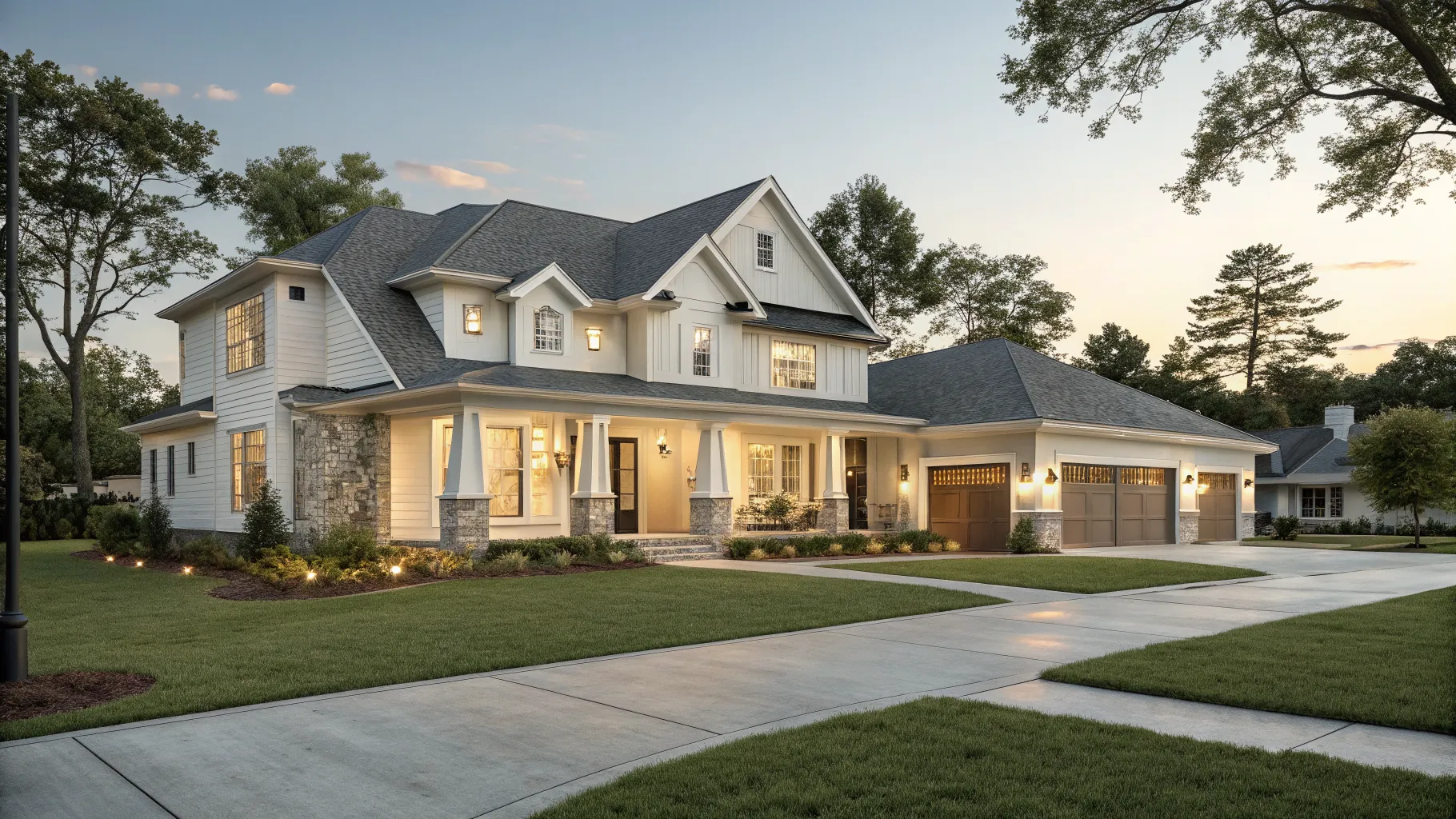

Homebuilders are mulling a plan to roll out a “Trump Houses” program that could total $1 million. affordable homes for first-time buyerscalling on private investors to finance construction while housing costs weigh on first-time households.
The concept, described by people familiar with the discussions, aims to alleviate a severe shortage of startup homes while leveraging former President Donald Trump’s political brand to speed deals and attract capital. The effort would focus on affordability and scale, with builders launching an initiative that could start in multiple regions if funding and permitting align.
Homebuilders have reportedly proposed a private investor-backed “Trump Houses” program to build up to 1 million affordable homes for first-time buyers amid affordability concerns.
What the proposal provides
The program would focus on new single-family homes priced toward entry-level buyers. Private investors would provide capital, with builders handling design, construction and sales. Supporters say the plan could move forward quickly if land, labor and materials are obtained at predictable costs.
Although price targets were not disclosed, the goal of the plan is to make monthly payments achievable for first-time buyers who have faced high mortgage rates and a limited supply of modest housing. The branding suggests a national initiative, although local approvals would still control the timing and scale.
Why affordability is strained
Affordability has deteriorated in recent years as prices have outpaced income growth and borrowing costs have risen. Mortgage rates have risen sharply from their historic lows, thereby reducing the purchasing power of new households. Builders have shifted toward larger, higher-margin homes over the past decade, leaving a gap in smaller, less expensive units.
First-time buyers have also faced record competition from cash investors in many markets. Limited resale inventory drove up prices, and the “lock-in” effect prevented existing homeowners from selling because they held mortgages cheaper than current rates.
How could this work?
Proponents of the “Trump houses” idea appear to rely on scale, private capital and standardized design to keep costs down. Builders could use repeatable floor plans, off-site manufacturing of some components and bulk purchases to reduce expenses. Partnerships with local governments could open up land or expedite approvals in exchange for commitments to affordability.
Financing could combine private equity, debt and buyer incentives such as down payment assistance through existing channels. Mortgage insurers and government-backed loans could play a role for qualified borrowers.
- Standardized, smaller footprint designs to reduce costs
- Bulk materials and labor agreements for consistency
- Local Zoning and Permitting Strategies for Obtaining Approvals
- Down payment assistance for qualified first-time buyers
Main obstacles and risks
Even with investor support, the construction of one million homes would face major constraints. Zoning rules limit density in many suburbs. Labor shortages and volatile material prices can delay schedules and increase costs. Infrastructure (roads, water and utilities) often lags behind new developments. Another common obstacle is community opposition to rapid growth.
Branding also carries political risk. Proponents may view this label as a signal of speed and scale. Critics might question whether the program would favor certain markets or circumvent local standards. Lenders and rating agencies will carefully review execution risk and buyer demand at the price levels offered.
Potential impact on the market
If even a portion of housing comes onto the market, the plan could ease price pressure in some areas, particularly where entry-level supply is low. Additional inventory tends to calm bidding wars, which could help normalize days on market and appraised values.
Builders could relaunch subdivisions on smaller lots and townhouse formats that fit first-build budgets. Competing developers could introduce similar ranges, expanding choices for price-cut buyers. Suppliers would benefit from more stable demand, while apprenticeship and training programs could expand to meet workforce needs.
What the experts will watch for
Analysts will seek commitments regarding land acquisition, cost targets and delivery times. They will also track partnerships with municipalities that can expedite permitting. The first pilot communities would provide a test of pricing, absorption and construction quality on a large scale.
Housing advocates will push for clear definitions of affordability and safeguards to keep housing within reach of local median incomes. Transparency on investor returns and resale restrictions, if any, will be important for long-term stability.
The idea of “Trump houses” comes at a time of deep tension for first-time buyers. Its ability to convert headlines into homes will depend on execution, zoning results and market demand. If builders secure land and capital on a large scale, buyers could see new options during the upcoming construction season. If barriers slow progress, the affordability crisis will persist and policymakers may face renewed calls for broader supply-side and financing reforms.



