
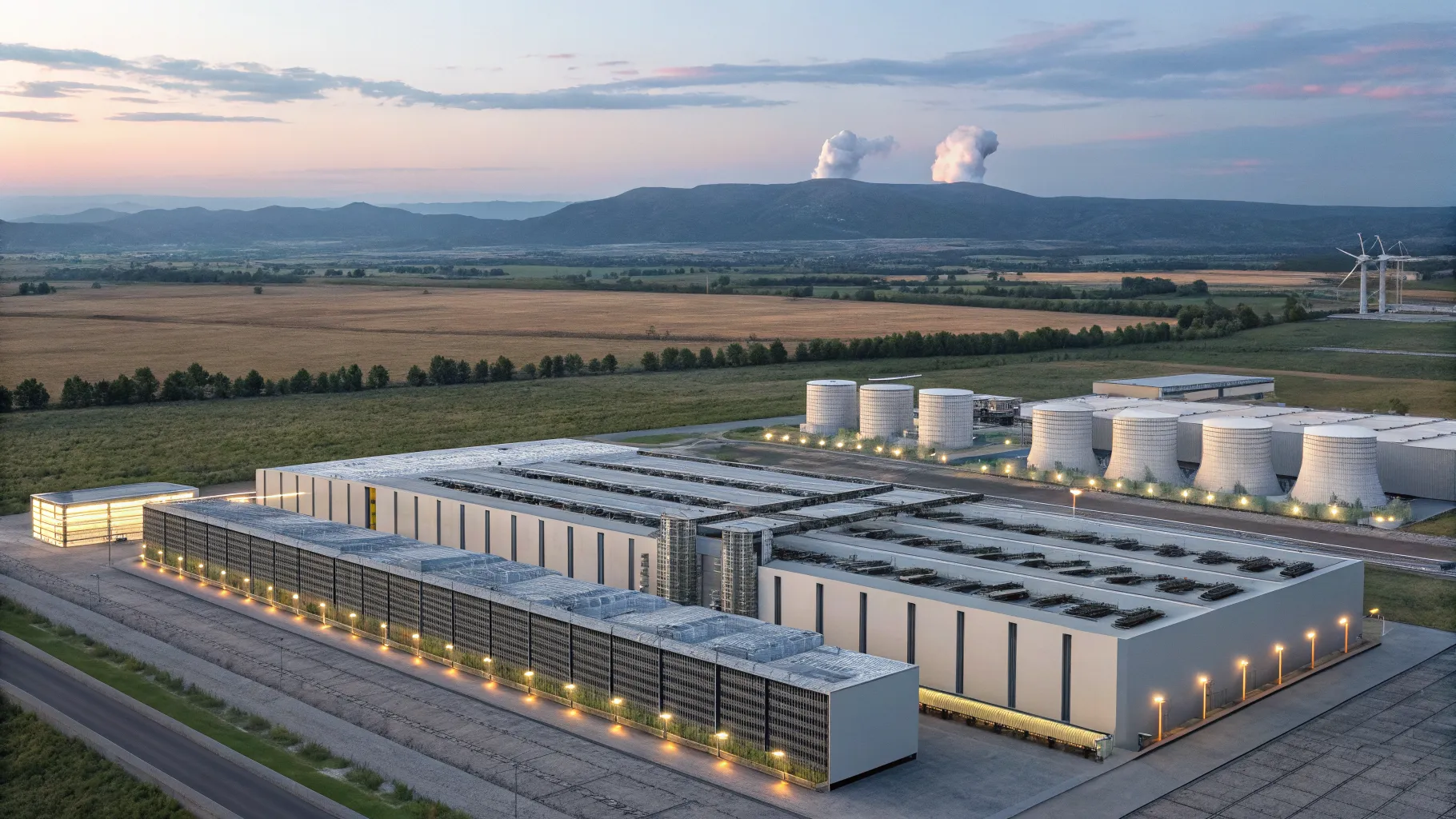

Governments in several regions are considering new limits growth of data centers as energy demand from cloud and artificial intelligence increases. The debate has shifted from local zoning meetings to national energy plans, raising pressing questions about how and where digital infrastructure should grow.
The authorities are examining whether the network capacity, water supply and climate goals can keep up. Industry executives warn that steep caps could slow services used by businesses, schools and hospitals. The outcome could determine where the next wave of computing will be built and who will pay for the energy needed to run it.
Growing demand for energy draws scrutiny
Data centers operate thousands of servers, regularly consuming electricity to process and store information. Many facilities consume as much energy as a small town. This scale has put them on the radar of energy planners, particularly in tight markets.
The pressure has increased as AI training and inference adds dense clusters of chips. These loads operate 24 hours a day. Grid operators say they must balance new connections with reliability and climate goals.
“The data center industry faces a reckoning as governments around the world consider imposing limits on the growth of energy-intensive facilities. »
Officials in parts of Europe and Asia have already tested stricter rules. Local authorities in the Netherlands and Ireland have limited new connections in high-demand areas. Singapore suspended new construction before reopening in a controlled setting. These measures mark a shift from automatic approvals to stricter control.
What the boundaries might look like
Regulators are considering policies that tailor new projects to grid capacity and climate goals. The tools discussed vary by country and market size.
- Connection queues linked to the available capacity of the substation.
- Location rules that direct projects towards regions with lower cost or lower carbon emissions.
- Energy efficiency and heat reuse requirements.
- Targets for purchasing clean energy or on-site production.
- Water use limits and reporting in drought-prone areas.
Supporters say these measures align growth with public goals. Proponents counter that hard caps risk driving projects to jurisdictions with looser rules, shifting rather than resolving the tension.
Industry response and network concerns
Operators say they are investing in efficiency and renewable energy. Many facilities now use advanced cooling and equipment to reduce energy consumption per computing unit. Some sign long-term contracts for wind and solar power to match consumption.
Utilities warn that even efficient sites can overwhelm lines and substations if they are grouped too closely. Delivery times for a new transmission can last years. This lag creates gaps in planning when demand increases faster than expected.
Community groups raise separate questions. They point out land use, truck traffic and the noise of backup generators. The use of water for cooling is a priority in ponds subject to constraints. Local leaders seek tangible benefits in return, such as jobs, tax revenue and infrastructure improvements.
Case studies and compromises
European cities that suspended new permits subsequently established clearer siting rules and energy standards. This approach gave network operators time to plan upgrades. In Asia, pilot programs linked approvals to efficiency and clean energy use. Early feedback suggests that predictable rules can attract projects willing to meet higher standards.
In the United States, the largest clusters face substation shortages and queue delays. Developers are exploring new regions offering cheaper land and greater grid margin. Some are installed near hydroelectric or nuclear power plants to guarantee a more stable supply and reduce emissions.
Accelerating AI raises the stakes
AI projects cluster enormous energy needs on single campuses. This concentration may exceed local capacity. It also intensifies interest in on-site generation and grid-scale storage.
Investors expect closer ties between data center planning and utility resource plans. Other deals could link expansions to firm clean energy, including long-duration storage and advanced geothermal where available.
What comes next
Negotiations now depend on timing and responsibility. Governments want clear pathways to comply with climate laws and keep the lights on. Operators want reliable deadlines and standards that they can adapt to.
Several trends are worth watching:
- Change of location: Growth is shifting to cooler climates and energy-rich regions.
- Network upgrades: Faster substation constructions and targeted transmission.
- Heat reuse: Partnerships to heat buildings or greenhouses.
- Water management: Increased use of air and liquid cooling which reduces evaporation.
The next phase will be to test whether regulation and investments can keep digital growth on track without overburdening networks or local resources. Clear rules, realistic timetables and shared data on energy consumption will determine how quickly the sector can grow and where new capacity will be located.
For now, the message from policymakers is straightforward: growth must match available power and public goals. The industry’s ability to adapt – through efficiency, location and clean energy – will determine how it evolves in the years to come.



