
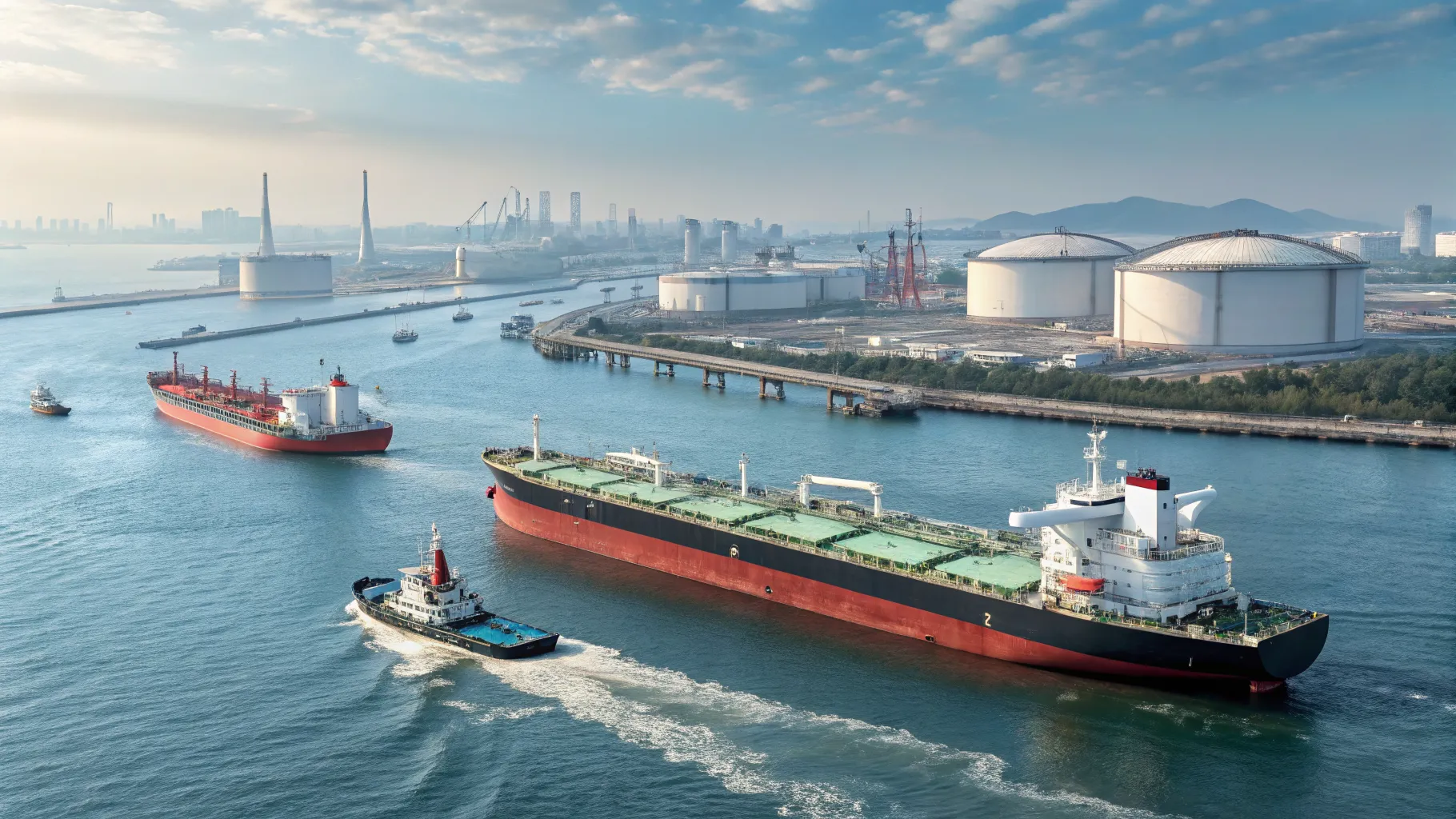

China buys most of Iran’s oil, with independent “teapot” refineries taking a significant share, according to a market alert issued to traders this week. The alert says China now accounts for about 90% of Iran’s crude oil exports, a concentration that shapes both regional politics and global oil flows. The trade involves discounted barrels, complex shipping routes and a network of small Chinese buyers hungry for cheap raw materials.
What are the warning signs
“China buys around 90% of Iran’s oil exports, with teapot refineries representing the majority of these imports.
The message matches industry analyst estimates over the past year. Iranian crude and condensate shipments have increased despite U.S. sanctions, helped by steady Chinese demand. Buyers are largely outside of China’s state-owned giants, relying on discounted grades marketed as “other Asian products” or mixed blends.
Sanctions and parallel trade
Washington’s energy sanctions against Iran remain in force. Yet Iranian exports have reached multi-year highs, helped by lax enforcement measures, creative shipping and closer ties with Asian buyers. Iran often moves its crude through ship-to-ship transfers, opaque records and rebranded cargoes. The destination, in many cases, is the ports of Shandong, home to many Chinese independent refiners.
This trade provides Iran with vital revenue. This also allows Chinese refiners to obtain supplies at low cost. The discount to Brent has varied, but analysts say it has often been large enough to offset rising shipping and insurance costs.
The role of tea refineries
Teapot refineries are small and medium-sized private factories, concentrated in Shandong province. Many do not have full import quotas for standard crude and often rely on alternative routes. Iranian grades are well suited for the production of gasoline, diesel and petrochemical raw materials at competitive costs.
Because these factories are more nimble than the state-owned majors, they can quickly shift to discounted cargoes. This agility allows them to make margins when international prices increase. This also means that their shipments may vary depending on shipping risks, changes in quotas and domestic politics.
Market impact and risks
The concentration of Iranian exports towards a single main buyer creates several pressures:
- Price leverage: Chinese refiners can negotiate deeper discounts on sanctioned barrels.
- Political exposure: a strengthening of American measures or new European measures could disrupt flows.
- Logistics pressure: Congestion at Shandong ports can delay unloading and increase costs.
For OPEC+, Iran’s rising production and exports complicate supply management efforts. Even though Iran is exempt from OPEC+ cuts, its growth competes with other producers, including flows from Russia to Asia. If enforcement strengthens, other suppliers like Saudi Arabia, the United Arab Emirates and West Africa could fill the gaps, reshaping spreads and freight rates.
Recent data points and trends
Analysts estimate that Iranian exports of crude and condensate have averaged well over 1 million barrels per day in recent months. China has grabbed most of it, often through independent buyers. Customs records underestimate volumes due to mislabeled cargo. Tanker tracking companies use satellite data to estimate actual flows, which remain high.
Refining margins in Asia have declined at times this year. Still, discounts on Iranian grades have helped some Chinese factories remain profitable. If global demand weakens, teamakers could reduce their runs, which could quickly set back Iranian levies.
Geopolitical issues
Regional tensions in the Middle East add to the uncertainty. Disruptions in the Strait of Hormuz or the Red Sea can increase transportation costs and delay shipments. The application of sanctions can also evolve depending on Washington’s political priorities. A tougher crackdown would likely redirect some Chinese demand toward Russian ESPO, Brazilian or West African barrels, thereby increasing benchmark prices and differentials.
The gist of the warning is clear: China’s independent refiners are the backbone of Iran’s export recovery. This link supports Tehran’s revenue and offers Chinese buyers cost advantages, but it also carries political and transportation risks. Traders will be watching for signs of stricter enforcement by the United States, changes to Chinese import quotas and fluctuations in refining margins in Shandong. Any of these could reorganize trade flows and shift prices in the months to come.



