

Key takeaways
- Containerized facilities offer rapid, modular infrastructure solutions that reduce traditional construction times.
- Preconfigured systems allow organizations to quickly deploy fully functional operational spaces.
- Modular expansion allows for incremental growth, helping businesses increase capacity based on actual demand.
- These solutions help reduce costs by minimizing materials, labor and on-site construction time.
- Mobility and adaptability make containerized facilities ideal for evolving operational needs and temporary projects.
Growth often brings new operational requirements. Expanding production lines, adding technical equipment or supporting new projects often requires additional infrastructure. For many organizations, traditional construction can create delays that slow progress. Lengthy design phases, permitting processes, and extended construction timelines can limit how quickly a company can respond to changing operational needs.
Because of these challenges, many companies are looking for infrastructure solutions that can be implemented more quickly while still meeting their long-term operational goals. Modular facility systems have emerged as a practical option for organizations that need reliable space without the delays of conventional construction.
Read on to learn how containerized facility options can help organizations efficiently scale their operations while maintaining flexibility and control.
Understanding containerized facility solutions
Containerized facilities provide a structured approach to building operational infrastructure using modified container systems. These facilities combine durable materials, practical layouts and engineered interior systems that support equipment, workspaces and specialized operations.
The following explains how these installations are designed and prepared for deployment:
- Standardized structural design: Many installations start with standard shipping containers or steel shipping containers that have a solid steel structure capable of supporting interior equipment, insulation systems and structural improvements. The standardized dimensions of these shipping containers facilitate transport, stacking and placement on site, simplifying logistics during deployment.
- Preconfigured interior systems: Manufacturers often make key interior preparations before delivery. Electrical systems, ventilation, insulation and mounting brackets are installed through carefully planned modifications to the shipping container. This preparation transforms the basic structure into a functional modular enclosure capable of supporting technical equipment, workstations or specialized operational tools.
- Adaptive design and layout planning: Each facility can be tailored to operational requirements through thoughtful design and planning. Engineers can create custom shipping containers that can accommodate control systems, equipment racks, or monitoring workspaces. These bespoke container building solutions enable organizations to create spaces tailored to specific operational functions while maintaining the portability of container-based infrastructure.
These structural and design features help organizations deploy sustainable operational facilities while maintaining consistent construction standards.

Improve operational efficiency through modular expansion
Operational growth often occurs in stages, especially as organizations add equipment, teams, or new services over time. Containerized facilities support expansion strategies that allow businesses to increase capacity while keeping operations organized and manageable.
The following approaches show how modular infrastructure helps improve operational efficiency during expansion:
- Gradual growth of infrastructure: Container-based systems support incremental expansion through modular construction, allowing organizations to add units only when additional capacity is required. This approach works well for custom projects where operational requirements may change during development. A multi-unit container configuration can be introduced over time, helping businesses scale their infrastructure based on actual operational demand.
- Targeted capacity placement: Containers can be installed near operational areas where personnel and equipment are already active. Placing units close to the job site allows crews to access tools, monitoring systems or workspaces without moving to a larger facility. Some organizations configure these units as on-site offices or mobile office spaces, creating functional work areas that support project coordination and supervision.
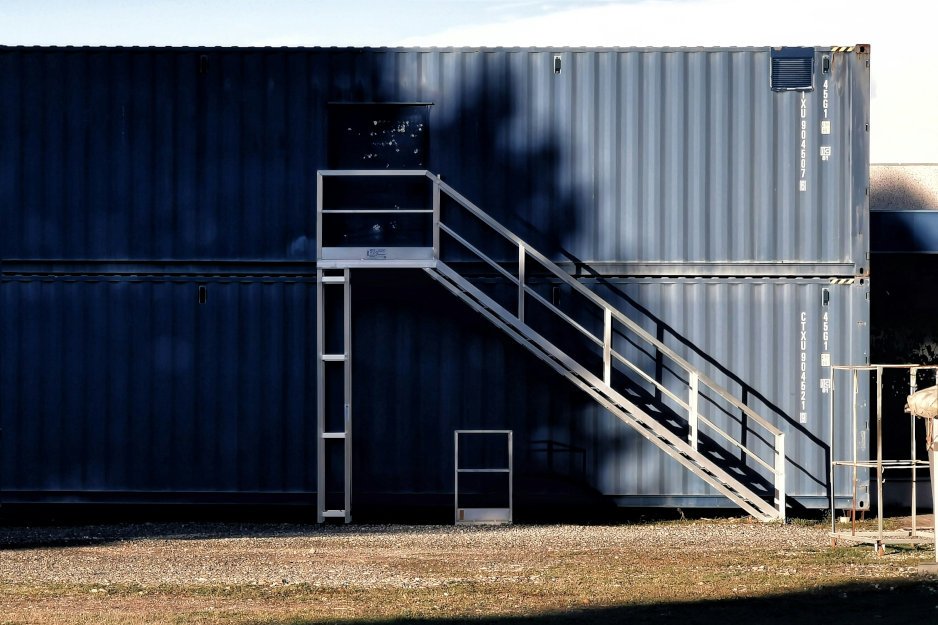
- Expansion of infrastructure for technical systems: Modular units can also support specialized environments such as a containerized data center used to host IT infrastructure for operational monitoring, communications or system control. When additional space is needed, organizations can connect multiple units or arrange containers stacked to increase capacity while maintaining a compact footprint.
This modular expansion model allows organizations to add operational capabilities in a controlled manner while keeping projects organized and accessible.
Reduce infrastructure costs and project timelines
Budgetary considerations often influence how organizations plan new installations or operational upgrades. Containerized infrastructure helps control expenses because the main structure already exists in the form of reinforced container units. This reduces the need for large volumes of traditional building materials, which can significantly reduce overall construction costs.
Additionally, manufacturing typically takes place in a controlled manufacturing environment rather than on an open construction site. Production teams can carry out structural work, interior preparation and system installation with consistent processes and specialist tools. This configuration helps shorten production times while maintaining predictable build quality.
Another factor that affects project schedules is the amount of work required after delivery. With container-based infrastructure, most of the preparation takes place before the unit arrives on site. Installation often involves positioning the unit and making final connections, allowing operations to begin sooner.
Supporting long-term mobility and operational flexibility
Business needs can change as projects grow, markets evolve, or organizations introduce new services. Containerized facilities help businesses respond to these changes because units can be transported between locations when needed. This mobility supports workplace flexibility while allowing companies to reposition their infrastructure instead of investing in entirely new structures at each site.
Additionally, many container-based installations support functional adjustments after deployment. Interior spaces can be modified to accommodate different equipment, workstations or operational tasks as needs evolve. This adaptability allows organizations to extend the useful life of their infrastructure without major reconstruction efforts.
Additionally, containerized units are often used to support temporary or project-based activities. Companies can deploy these facilities for field operations, construction support areas, or short-term technical installations requiring dedicated workspace. Once the project is completed, the unit can be moved or repurposed to meet another operational need.
FAQs
What is a containerized facility?
A containerized facility is a modular structure constructed from modified shipping containers, designed to house equipment, workspaces or operational systems in a portable, durable format.
How do containerized facilities reduce project timelines?
Most construction and system installation work takes place off-site in controlled environments. This allows for faster deployment, as on-site work is limited to placement and final connections.
Are containerized facilities customizable?
Yes, these facilities can be tailored to specific operational needs including layout design, equipment integration and interior systems such as electrical, ventilation and insulation.
Can containerized facilities support business growth?
They support incremental expansion by allowing companies to add units over time. This helps align infrastructure growth with operational demand while maintaining organization and efficiency.
Are containerized facilities suitable for temporary use?
Yes, they are ideal for temporary or project-based operations. Their portability allows businesses to move and reuse them across different sites as needed.
Final Thoughts
Organizations looking for efficient ways to expand their infrastructure often face challenges related to cost, time, and flexibility. With rapid deployment, scalable capacity and adaptable design, containerized facilities help businesses meet changing demands while maintaining stable operations. Businesses that incorporate modular infrastructure into their expansion strategies can add the space and features they need without slowing down their progress.



