
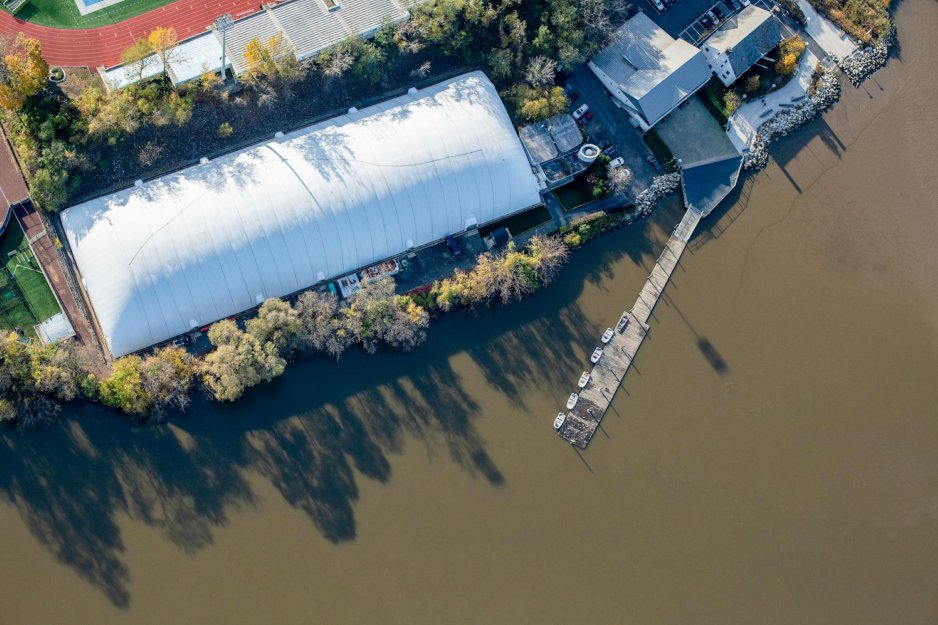

Key takeaways
- Fabric structures have evolved from simple storage solutions to multi-purpose commercial spaces across multiple industries.
- They offer a cost-effective and flexible alternative to traditional buildings, allowing businesses to scale and adapt easily.
- Contractors are using these structures creatively for retail stores, dining rooms, event venues and service centers.
- Mobility and speed of installation make textile buildings ideal for businesses that need to respond to changing demands and locations.
- Through thoughtful design, textile structures can deliver professional, customer-facing environments that enhance the brand experience.
You’ve probably seen fabric structures used for storage. They sit in open areas or behind warehouses and quietly do their work. At first glance, they seem purely practical. No flair. No real commercial appeal. But this perception is changing quickly.
Entrepreneurs now see these structures as versatile assets. They use them for retail, events, catering and services. Instead of being limited to backup storage, you can operate structure buildings in a way that directly connects with customers. Let’s take a look at how business owners are using these spaces creatively and profitably.
Storage solutions
A fabric building is one of the most reliable storage options. You can use it to house equipment, seasonal inventory or bulk supplies. It is quick to set up, cost effective and easy to expand when demand increases.
Contractors are often concerned about whether stored assets will remain protected under varying conditions. Choose one fabric commercial building from a trusted manufacturer addresses this concern by offering durability, weather resistance and reliable protections. With this assurance, your storage setup is secure enough to protect the assets your business depends on every day.
Retail Stores
Fabric buildings aren’t just for storage. They can also serve as retail spaces. Entrepreneurs use them to create pop-up shops, seasonal outlets or even permanent storefronts. The structures are adaptable, giving you the flexibility to design layouts that guide customers through displays and products.
When stability is an issue, tensile fabric structures offer a solution. Their galvanized steel frame provides strength while maintaining installation flexibility, so you don’t need heavy construction to create a welcoming store. Instead, you focus on interior details like lighting, shelving, and branding. With the right design, the space feels intentional and professional. Customers see a unique retail environment, not just a fabric shell.
Outdoor dining areas
Food entrepreneurs also show creativity. You can transform a fabric structure into an outdoor dining area. This works well for cafes, food stalls and small restaurants that need extra seating. You create a comfortable environment with adequate ventilation and lighting. Add tables, signage and stylish decor, and guests enjoy a relaxed dining experience without the need for major construction.
The challenge is to make the space usable throughout the seasons while controlling expenses. A fabric building designed with energy efficiency in mind helps solve this problem, providing reliable protection from the elements and reducing utility costs. This way, your dining room remains welcoming all year round while remaining practical to use.
Venues for community events and experiences
Entrepreneurs are finding new ways to reuse textile structures beyond storage and retail. With proper design, these spaces can transform into venues for workshops, small concerts or community events, adding a new dimension to the business model.
Hosting events creates opportunities to connect with audiences in more meaningful ways. You offer experiences, not just transactions, which build loyalty and attract new visitors. More than just a venue, thoughtfully designed event spaces become a focal point for the community.
Service centers
Service businesses can also benefit from structured structures. You can use them as service centers, making it easy to offer services like tech support kiosks, sewing and alteration services, or even pet grooming stations.
This setup naturally reduces overhead costs since you don’t need a fixed office. Instead, you operate where demand exists, focusing on high-traffic areas. With durable designs that support consistent operations in different environments, your business becomes more accessible and visible while maintaining smooth service.
Mobile offices
Fabric buildings can serve as mobile offices. Entrepreneurs use them as flexible workspaces which evolve with demand. You quickly configure, add basic utilities, and create a professional environment without the cost of a permanent site. The structures adapt to different sectors, from construction to consulting.
This approach helps reduce overhead costs while still giving you room to grow. You can move as projects evolve or locate in high-traffic areas to stay close to clients. With the right layout, your office looks intentional and efficient. Customers and partners see a professional space that supports your business wherever it goes.
Agricultural centers
In agriculture, fabric buildings fit naturally as production stands, nurseries or from farm to market hubs. The structures protect plants and merchandise from the elements while giving you flexible space to sell directly to customers. With simple ventilation and air conditioning, you keep products fresh and create a reliable point of sale.

You can expand seasonally or combine storage with retail. Customers appreciate the convenience of purchasing fresh produce in a dedicated space. By using fabric buildings, you establish a professional presence without having to invest in a permanent installation.
Fitness and leisure areas
Another smart use is fitness and leisure. Entrepreneurs transform fabric structures into gymnasiums, training centers or indoor sports fields. The open floor plan makes it easy to install equipment or mark off play areas. You can organize classes, leagues or private training sessions.
Durable materials and smart design make these spaces adaptable all year round. Add appropriate flooring, lighting and ventilation to create a comfortable atmosphere that supports a wide range of activities. Whether you offer yoga, basketball or strength training, the structure aligns with your vision. It’s an affordable way to build a hobby business that grabs attention and attracts people.
Final Thoughts
You don’t need to follow a traditional route to establish a strong business presence. Fabric structures give you both practical and creative options. You can tailor them to your goals, whether you’re selling products, offering services, or organizing events.
When you start to think beyond storage, new opportunities open up. You transform a simple structure into a tool for growth. And with the right approach, this tool can help you reach your customers in ways you might not have considered before.
FAQs
What are fabric structures used for in business?
Fabric structures are used for a wide variety of commercial purposes, including storage, retail, catering, events and service operations. Their flexibility allows entrepreneurs to customize the space based on specific needs. This makes them suitable for temporary and long-term applications.
Are fabric buildings durable enough for commercial use?
Yes, modern fabric buildings are designed with durable materials such as tensioned fabrics and steel frames. They are built to withstand weather conditions and provide reliable protection of assets and operations. Choosing a high-quality manufacturer ensures long-term performance and safety.
Can fabric structures be used as permanent commercial sites?
Fabric structures can serve as permanent or semi-permanent commercial spaces depending on local regulations and design specifications. Many businesses use them as long-term solutions due to their cost-effectiveness and adaptability. Proper setup and maintenance are essential to maximize their lifespan.
How do fabric buildings help reduce business costs?
They generally require a lower initial investment than traditional construction and can be installed quickly. Operating costs can also be reduced through energy-efficient designs and minimal maintenance requirements. This allows businesses to allocate more resources to growth and operations.
Which industries benefit the most from textile structures?
Sectors such as retail, agriculture, catering, fitness and event management generally benefit from textile structures. Their versatility makes them useful in both customer-facing and operational roles. Businesses that need flexibility and scalability often find them particularly useful.



