
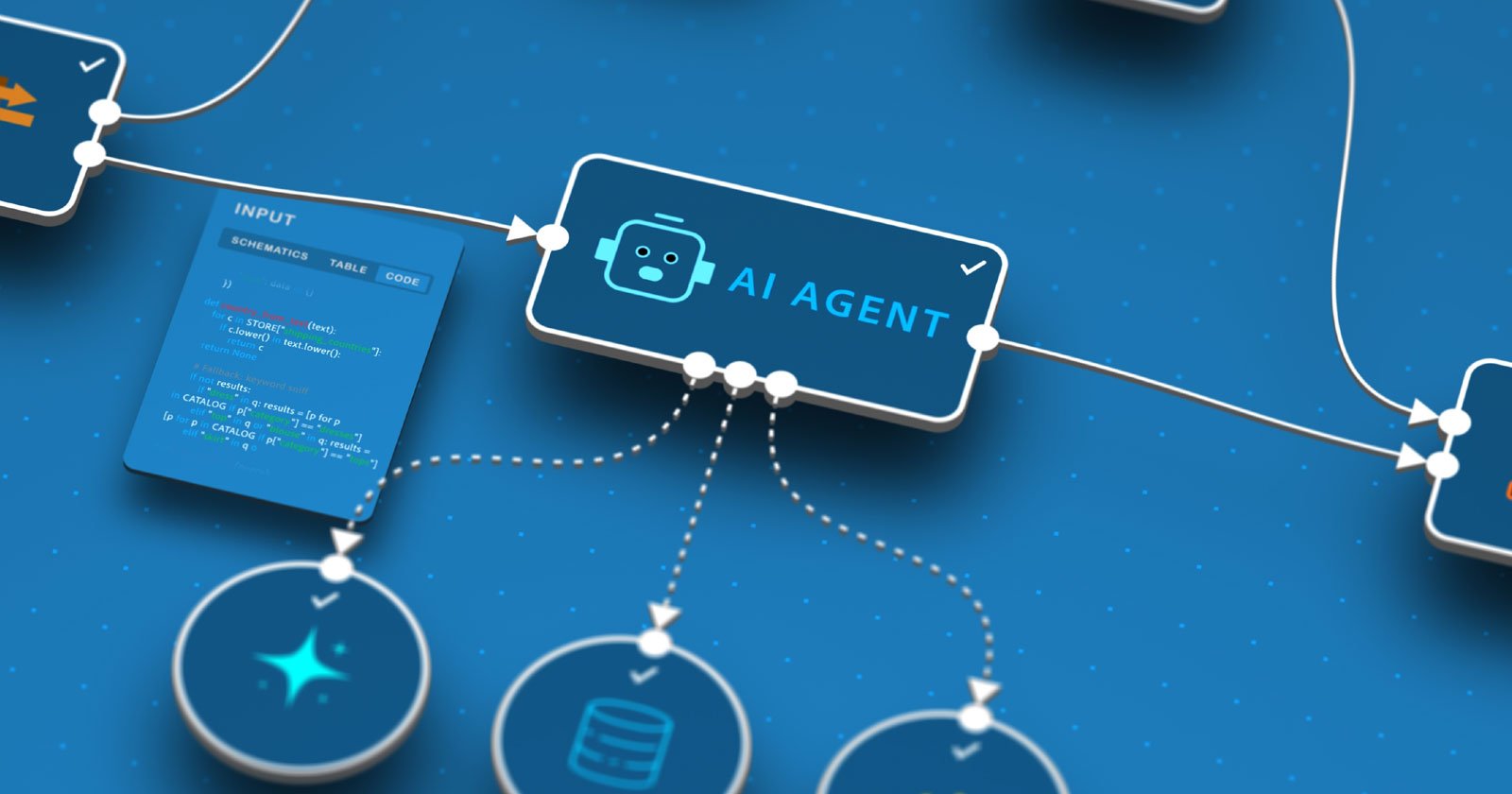
Google has quietly updated its list of user-triggered fetchers to include a new one called Google-Agent. The new agent will be used by its Project Mariner tool, which started as an AI browser agent and could now be part of a pivot to compete with OpenClaw-style personal agents.
Open Claw
OpenClaw is a new type of AI personal agent assistant capable of performing a wide range of online tasks. In fact, it is capable of forming teams with an agent as manager (the orchestrator) distributing tasks to the specialized agents of a team. These AI agents run from a laptop or desktop as well as in hosted environments. They are model agnostic and can connect to any cloud-based AI provider like Anthropic (Claude), Google (Gemini), and OpenAI.
Chinese AI providers like MiniMax, Moonshot AI (Kimi), Alibaba Cloud (Qwen), and DeepSeek are increasingly popular because they are significantly cheaper than major U.S. AI providers, further driving the boom in personal AI agents.
The personal AI agent space is so popular and important that OpenAI hired OpenClaw AI agent developer Peter Steinberger.
Google’s Project Mariner
Project Mariner was announced in 2025 and was only available to Google AI Ultra subscribers and others authorized to participate as Google Labs testers. The initial version of Project Mariner was a browser-style wizard that told you what to do, and it went to the web and performed various tasks.
A video of Project Mariner in action showed it to be a pretty clunky way to browse the web, with one tester calling it “far from perfect.»
Project Mariner test drive video
Pivot to AI agents called LAMs
AI agents are currently exploding, largely in the developer community, especially as they overlap with the vibe-coding trend. AI is currently used to create software, WordPress plugins, create blog posts, as well as monitor and post on social media. AI agents are essentially robots that can do all of this autonomously.
These types of user agents are increasingly known as Large Action Models (LAM). A LAM understands what a user wants to accomplish, breaks the goal into steps, clicks buttons, calls APIs, and performs tasks autonomously or under human supervision. Unlike LLMs which essentially say things, LAMs actually do things.
The imminent release of AI-enabled WordPress 7.0 could usher in a period of rapid evolutionary change in the way businesses build and manage websites, and AI agents will most likely grow and play an important role in this.
Many Project Mariner personnel have transitioned to the Gemini Agent product, as some Project Mariner capabilities and information are transferred to other projects. Wired reported that he received confirmation, a day before Google announced the new Google-Agent crawler, that Google was moving Project Mariner staff to its Gemini Agent product.
A Google spokesperson confirmed the changes, but said that the computing capabilities developed under Project Mariner will be integrated into the company’s agent strategy in the future. Google has already integrated some of these capabilities into other agent products, including the recently launched Gemini Agent, the spokesperson added.
The change comes as Google and other AI labs race to respond to the rise of high-performance agents like OpenClaw.
Anthropic is already ahead of Google by announcing Claude Cowork, a desktop interface for interacting with AI agents that allows non-coders to take advantage of AI agents.
Anthropic describe Cowork Capabilities and Objective:
“Unlike Chat, Cowork allows Claude to carry out his work alone. Describe the result and the pace, and he takes action and keeps you informed. Come back to the result.
Claude delivers finished work instead of step-by-step updates: a formatted spreadsheet, a memo, a briefing document. You review, refine, and decide what’s next.
Tell Claude what you want from your computer or phone. Claude chooses the quickest path: a connector for Slack, Chrome for web search, or your screen to open apps when there’s no direct integration.
Coworking is currently available for download for macOS and Windows.
The rise of agentic AI coding has sent shock waves through the software industry, with fears that AI coding will make it easier for users to deploy their own software solutions. Adobe Inc.’s stock has already lost 33% of its value over the past six months, as have many other software companies.
Screenshot of Google search for Adobe Inc stock price.

For example, Mistral recently published Voxtrale TTS, an inexpensive text-to-speech AI that can run on a laptop with at least 3 GB of RAM, undercutting other companies offering the same service for a monthly subscription.
3 GB of RAM is wild. I paid ElevenLabs $22/month for my projects and it works on hardware I already own. the AI service economy will collapse faster than any modeling
– Niko Starus (@NikoStarus) March 28, 2026
Login to Google Agent
The new Google-Agent crawler is labeled as a user-initiated crawler, which means it is launched by a user. The documentation for the new robot explains:
“Google-Agent is used by agents hosted on Google infrastructure to browse the web and perform actions at the user’s request (e.g. Project Mariner). It uses IP ranges from user-triggered-agents.json.”
Google currently offers Gemini CLI, but it’s not a direct competitor to the agent-focused Claude Code, which is designed to take action. This addition of the new Google-Agent crawler could be a small part of a new product capable of competing more directly with Code.
That said, Google once again finds itself racing to catch up in the face of rapidly evolving situations, and this change to Google’s list of user-triggered retrievers is likely part of Google’s pivot to compete more vigorously in the AML space.
Featured image by Shutterstock/PPstock



