

Key takeaways
- Cyclists are considered vulnerable road users and often suffer serious injuries in collisions with motor vehicles.
- Legal cases involving cyclists can be complicated by societal biases that assume the cyclist was at fault.
- Strong evidence, including physical scene data and GPS tracking, is essential to proving liability in the event of an accident.
- Dangerous infrastructure can contribute to accidents and trigger municipal liability under certain conditions.
- Specialist legal counsel is essential to navigating the complexities of bicycle accident claims and protecting the rights of cyclists.
Cycling has undergone a massive renaissance over the past decade. It is no longer just a means of urban transportation; it has become a dominant recreational activity. For today’s enthusiast, a weekend trip might involve an all-day ride that transitions smoothly from smooth pavement to unpredictable gravel trails. However, as cyclists share more miles with motor vehicles, the intersection of these two modes of transportation has become a highly contentious legal battleground.
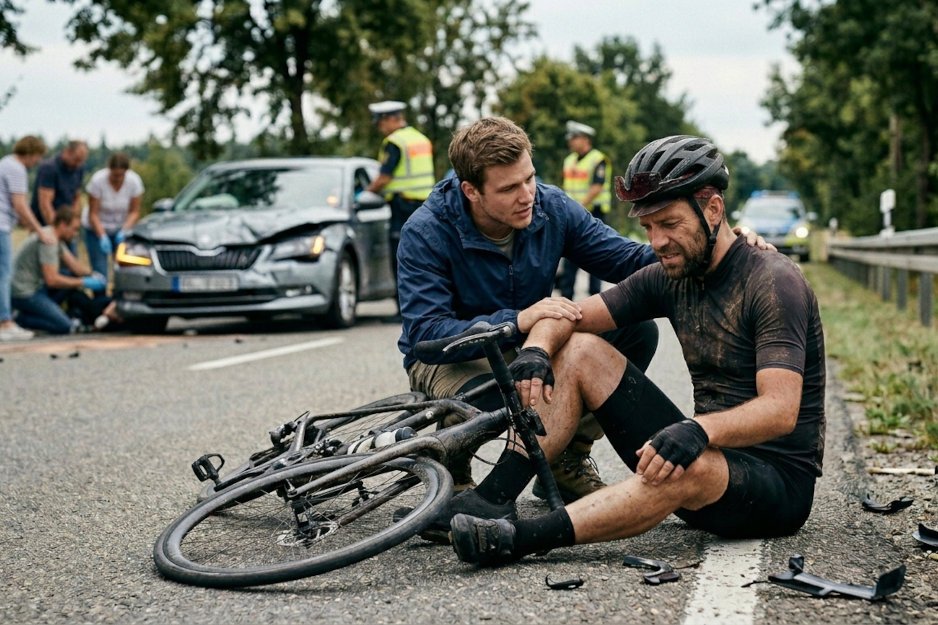
When a 3,000-pound vehicle collides with a 20-pound bicycle, the physical laws of mass and speed dictate the outcome. Cyclists are inherently classified as ‘vulnerable road users’, meaning they do not have the structural protection of a car chassis, airbags and seat belts. As a result, injuries sustained in these accidents are rarely minor, often involving severe orthopedic trauma, head trauma, and long-term rehabilitation.

Prejudice against the cyclist
Although they have an equal right to the road in most jurisdictions, cyclists often face an uphill battle in civil courts due to societal bias. Claims adjusters and sometimes even law enforcement officers harbor the unconscious presumption that the cyclist must have acted recklessly. Defense attorneys frequently use this bias, attempting to shift blame by arguing that the cyclist was difficult to see, swerved unpredictably, or rode too far from the shoulder.
Overcoming this inherent bias requires immediate and aggressive preservation of evidence. Skid marks, debris fields and data from GPS bike computers (which track speed, cadence and exact route) are essential tools in reconstructing the accident to prove the motorist was at fault.
Infrastructure and municipal responsibility
In some cases, liability extends beyond the driver. Poorly designed infrastructure is one of the main causes of cycling accidents. A bike path that ends abruptly, forcing cyclists to merge into heavy traffic, or a gravel transition that causes a loss of control near a dead-end turn may imply municipal negligence. However, filing a lawsuit against a local government entity involves complying with strict “tort immunity” laws and incredibly short filing deadlines.
The role of the specialized legal advisor
Because bicycle accident litigation involves unique physical dynamics and specific local traffic ordinances, victims should seek out an attorney who understands this specific niche. Experienced defenders like Shindler and Shindler know how to counter the “reckless cyclist” narrative. They use accident reconstruction experts to prove that a driver failed to yield the right of way, misjudged the passing distance, or engaged in distracted driving.
FAQs
Why are cyclists considered vulnerable road users?
Cyclists do not benefit from the physical protection offered by vehicles, such as airbags and seat belts, making them more likely to suffer serious injuries. Even low-speed collisions can cause significant damage. This vulnerability is recognized in many legal frameworks.
Can a cyclist be unfairly blamed in an accident?
Yes, cyclists often face bias from insurers and legal parties who may engage in reckless behavior. This may affect how claims are assessed. Overcoming this bias requires solid evidence and clear documentation of the situation.
What types of evidence are important after a bicycle accident?
Evidence such as skid marks, debris, witness statements and GPS data from cycling devices can help piece together the accident. This information is crucial in determining the fault. Acting quickly ensures that key evidence is preserved.
Can a city or municipality be held responsible for a bicycle accident?
Yes, if unsafe infrastructure like poorly designed bike lanes or dangerous road conditions contributed to the accident. However, claims against government entities are subject to strict legal rules. Filing deadlines are often much shorter than standard files.
Why is specialist legal advice important in the event of a bicycle accident?
These cases involve unique dynamics, including traffic the laws and accident reconstruction. Lawyers experienced in this area can effectively combat bias and build strong cases. Their expertise improves the chances of fair compensation.

Conclusion
As municipalities struggle to modernize their infrastructure to accommodate the rise of cycling, the roads remain a dangerous place for two-wheeled travelers. When an accident occurs, the legal system is the primary means for a cyclist to recover the enormous medical costs associated with their vulnerability.
Protecting these rights requires acting quickly before evidence disappears and prejudice takes root.



