
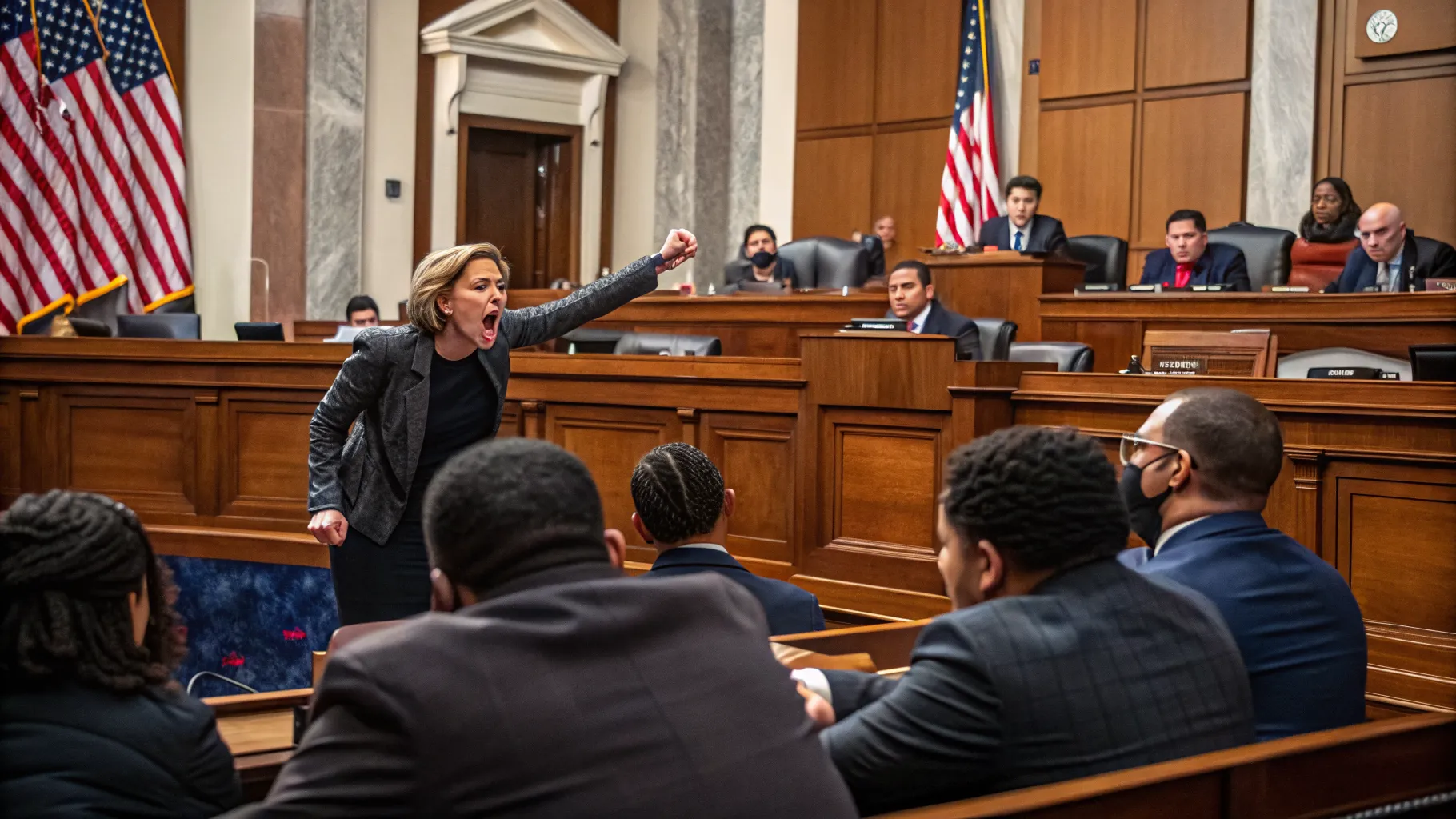

A tense exchange erupted after MP Sydney Kamlager-Dove challenged the premise of a “An America without Sharia” By hearing, arguing that it fueled fear of Islam while overlooking local extremism and abuses. The dispute has placed questions of religious freedom, national security and political messaging at the center of a charged political debate that has been brewing for years.
The confrontation, which unfolded during a House deliberation, highlighted a broader struggle over how elected officials define threats, allocate attention and frame public safety. Supporters of the hearing said it examined the risks of extremist ideologies. Critics called it a diversion that could deepen prejudice against Muslim Americans.
What started the dispute
Kamlager-Dove accused Republican members of elevating a narrative that presents Islam as a unique danger. She argued that this ignores data on domestic extremism and fails to address violence, coercion and abuse that cut across ideologies and communities.
“Manufacturing fear around Islam” while “ignoring the broader issues of extremism and abuse in America,” she said, is divisive and deflects oversight.
Republican members defended the purpose of the hearing, saying Congress must investigate any ideas that could fuel violence or threaten civil rights. They argued that scrutiny of extremist interpretations is a legitimate element of policing, and insisted that the goal is prevention, not bias.
Context: religion, law and security
For more than a decade, debates over “anti-Sharia” measures have appeared in statehouses and political campaigns. Civil liberties groups have long argued that such efforts misunderstand Islamic jurisprudence and confuse private religious practice with civil law. Legal scholars note that U.S. courts apply the Constitution and federal and state laws, and do not apply foreign or religious codes.
At the same time, national security officials have warned that violent extremism can come from a variety of sources, including white supremacist networks, anti-government militias and cells influenced by foreign terrorist propaganda. Public policy disputes often depend on how lawmakers weigh these risks, what evidence they cite, and what experiments are prioritized in hearings.
Competing claims and evidence
Democrats say sharia hearings can stigmatize millions of peaceful Muslim Americans. They argue that targeted speech fuels harassment and makes it more difficult to cooperate with law enforcement. Kamlager-Dove’s remarks fit this line of criticism, calling for a broader view that includes domestic violence, trafficking and extremist violence unrelated to religion.
Republicans counter that examining how extremist ideologies – religious or secular – circulate online and in communities constitutes a fundamental surveillance function. They argue that ignoring any potential drivers of violence leaves gaps in prevention policy. Their position is that hearings should examine patterns of abuse wherever they appear, including in religious contexts, without condemning any faith.
- Critics warn that such hearings can paralyze religious expression and civic life.
- Proponents argue that scrutiny can reveal prevention blind spots.
Implications for policy and communities
The shock has concrete issues. The Congressional framework can shape funding for community programs, training for schools and police, and public messaging. Muslim rights groups say rhetoric that presents Islam as suspect can lead to profiling and distrust. Local leaders say effective violence prevention relies on broad partnerships, cultural literacy and clear guardrails against bias.
Broader safety strategies now emphasize community interventions, data sharing and early warning systems that signal behaviors, not beliefs. Whether hearings like this drive these approaches — or whether they emphasize identity-based narratives — will influence how federal and local agencies set priorities.
What to watch next
Lawmakers are under pressure to back up their claims with transparent data and clear definitions. This involves distinguishing between protected religious practice and criminal conduct, as well as between speech and incitement. Hearings bringing together law enforcement, civil rights advocates, religious leaders and researchers could provide more practical guidance.
For Kamlager-Dove and her colleagues, the next step could be to hold sessions assessing domestic extremism across ideologies and examining abuses in institutions without singling out a religion. For Republicans, making their case will likely require concrete case studies, careful language and safeguards against bias.
The latest exchange marks a broader test for Congress: whether it can respond to security threats while protecting religious freedom and civil equality. The outcome will be measured not only in terms of rhetoric, but also in terms of policies that build trust, reduce violence and preserve rights.



