

Key takeaways
- Cold shipping in the Southern Plains is particularly difficult due to extreme heat, long distances and humidity risks.
- Temperature control is essential to product integrity, as even small fluctuations can spoil perishable goods.
- Packaging quality directly impacts shipping success, as moisture can weaken materials and compromise insulation.
- Choosing the right cold chain partner reduces risk by ensuring compliance, proper storage and efficient distribution.
- Strong regional logistics networks improve delivery reliability by minimizing transit times and maintaining consistent temperatures.
Shipping frozen or refrigerated products across the Southern Plains can be difficult for new businesses, especially given the region’s temperatures and long distances. Still, keeping perishable products at the right temperature is crucial, making reliable tri-state cold chain suppliers critical partners in business success.
Why Cold Transportation in the Southern Plains is a Unique Obstacle
Contractors operating in the Southern Plains face unique weather conditions and distance challenges that complicate cold transportation.
Extreme ambient temperatures
Temperatures in Texas, Oklahoma and Arkansas can be very high. In fact, the region has been has been experiencing drought for yearswith high temperatures and the risk of forest fires. Such heat can quickly affect frozen or refrigerated products.
For this reason, refrigerated trucks and loading procedures must maintain strict temperature control. Products like frozen desserts, meat and seafood need stable temperatures at every stage of their shipment.
Vast geographic distances
The towns in the region are very far from each other. Companies can ship their goods across hubs or far-flung national borders, often covering hundreds of miles. Long routes increase the risk of delays or temperature changes. Cold chain providers must ensure that refrigeration remains stable during transportation and storage.
Moisture and package integrity
Humidity poses another challenge in the Southern Plains. Humidity in the air can weaken cardboard boxes and affect insulated packaging materials. The 2026 El Niño and subsequent La Niña can also cause humidity spikes.
When packaging becomes weak or damaged, cold air may escape and products may heat up before delivery. Frozen foods or temperature-sensitive items can spoil, leading to package losses and waste.
Your checklist for a resilient cold chain strategy
Choosing the right logistics partner can make a significant difference for businesses shipping refrigerated or frozen products.
Check temperature capabilities
Different suppliers may offer different temperature ranges. If your company ships frozen products, confirm that facilities and trucks can maintain appropriate temperatures. Products like ice cream or frozen meals require frozen storage. It may also be helpful to choose suppliers that offer multiple temperature ranges for different product needs.
Prioritize food safety and compliance
Food safety is essential when handling temperature-sensitive or perishable products. Look for suppliers that operate temperature-controlled warehouses and follow strict safety protocols. Certifications such as Good Distribution Practices (GDP) show that facilities follow strict safety and handling procedures. These standards help protect product quality and ensure consumer safety.
Analyze regional distribution networks
Location is important in cold transportation. Suppliers with facilities in Texas, Oklahoma and Arkansas can shorten delivery times and reduce the risk of damage or deterioration. Fast deliveries are also important to ensure customer satisfaction.

Top Tristate Cold Chain Suppliers for Contractors
These companies are some of the most reputable providers of refrigerated logistics in Tri-State.
1. Real cold
RealCold operates temperature-controlled facilities and third-party logistics (3PL) designed to support companies shipping frozen and refrigerated products across the Southern Plains. Its Denton, Texas location is near major logistics routes connecting Texas, Oklahoma and Arkansas.
The company focuses on strong customer relationships and reliable logistics services for growing businesses. It features e-commerce fulfillment and food safety teams at each location and maintains temperatures down to minus 15° Fahrenheit, allowing the company to support products such as frozen desserts and ice cream.
Main features
- Temperature-controlled storage down to -15°F
- Ecommerce Fulfillment Services
- Low selection error rate for accurate orders
2. Cold America
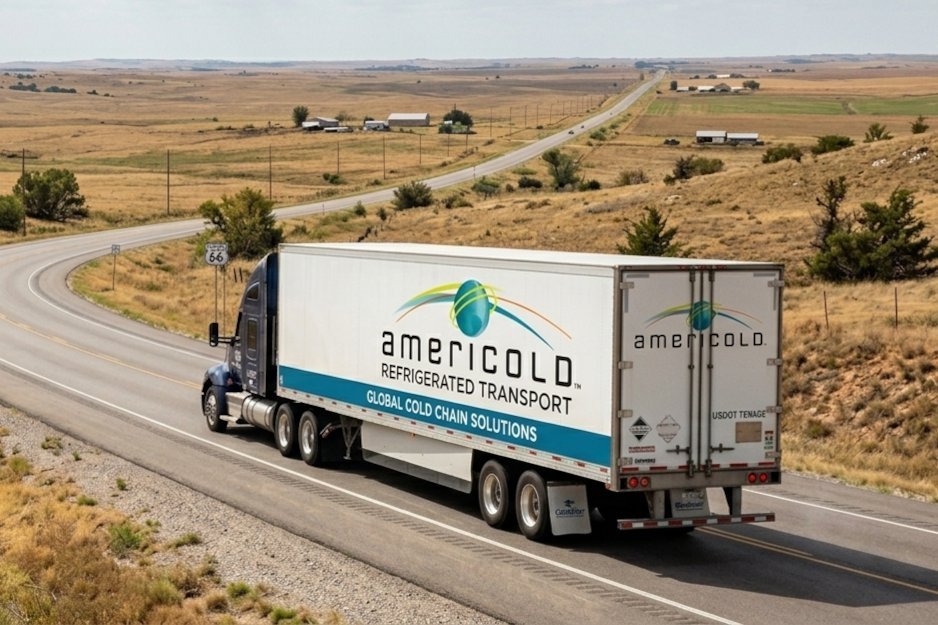
America is one of the world’s largest providers of temperature-controlled warehousing and logistics. The company operates numerous facilities across the United States, including Texas and the Southern Plains.
Its network supports food manufacturers, food retailers, food service providers and direct-to-consumer brands that require refrigerated and frozen storage.
Main features
- Large network of cold stores
- Transportation and distribution services
- Support for food producers and retailers
3. Lineage
Line is a leading cold storage and logistics company with facilities across North America and the Netherlands. The company focuses on improving efficiency through technology and automated warehouse systems.
With facilities located close to major transportation routes, Lineage supports continental distribution networks for food manufacturers and consumer brands.
Main features
- Large cold storage network
- Technology-Driven Warehouse Operations
- Flexible logistics support
Company selection methodology
Each company featured reflects the following important factors for entrepreneurs shipping perishable products in the South Plains:
- Regional presence: Each company operates in Texas, Oklahoma or Arkansas.
- Basic services: Service providers offer cold storage and logistical support.
- Food safety practices: Companies implement strict security procedures.
- Support for growing businesses: The providers offer scalable services that are suitable for startups and growing brands.
Frequently Asked Questions About Cold Shipping
How do I determine the right temperature for my products?
The right temperature depends on the type of product. Frozen foods generally require storage at -15°F or lower, while refrigerated products can tolerate slightly higher temperatures. Product manufacturers usually provide recommended storage guidelines.
Do I need to provide my own insulated packaging for shipping?
In many cases, the product manufacturer provides the packaging. However, some cold chain providers may recommend packaging solutions to maintain temperature for shipping.
What is a cold shipping 3PL and why do I need one?
A 3PL provider handles services such as warehousing and order fulfillment. For businesses shipping perishable products, a 3PL helps keep goods within the required temperature range until they reach the customer.
Building a reliable cold transport chain
Cold transportation across the Southern Plains requires careful planning and reliable partners to overcome high ambient temperatures and long transportation distances. Choosing strong tri-state refrigerated logistics partners can help entrepreneurs protect their products and grow with confidence.



