
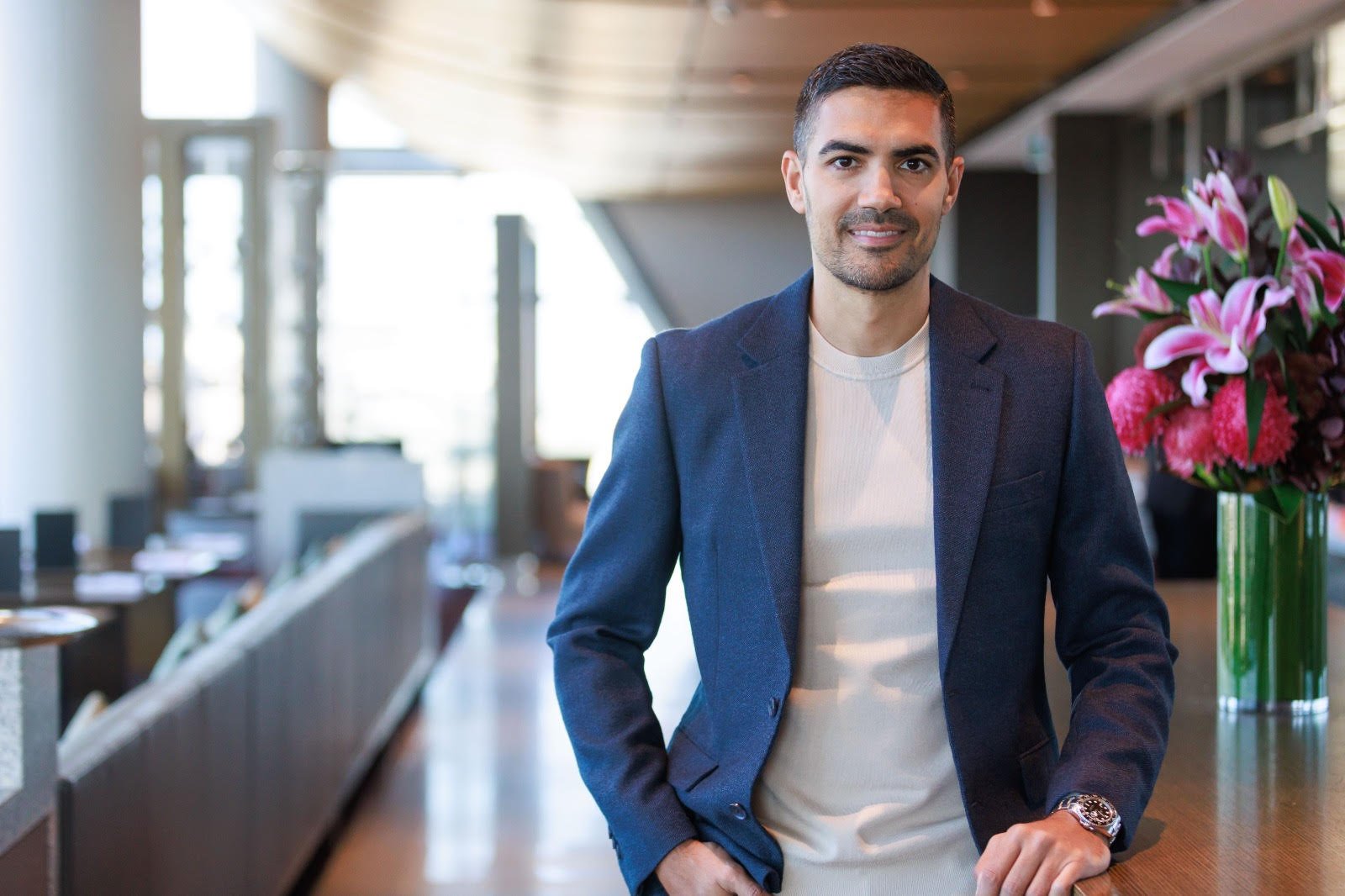

When people talk about startups, they usually start with the headlines. Fundraising gets the most attention, valuations are passed around like party gimmicks, and everyone wants to know who is moving forward the fastest. There’s a question that usually gets lost in the conversation: What actually helps an organization stay together once the speed picks up? Damien Singh spent much of his career answering this conundrum.
After eight years of helping build Canva, he became more interested in businesses built for endurance. Singh focuses on what comes after learning how a business grows from a small operation to something much larger, and what parts of the experience are still valuable when the logo on the door changes.
A career built through pivots
Singh’s path avoided the refined version of startup mythology. He dropped out of college after six months and spent six months installing satellite dishes before stopping and asking himself, “What are you doing with your life?”
From there he moved into accounting, qualified as a chartered accountant in four years and built a career in auditing before deciding that the usual partnership route was not the future he wanted.
This decision clearly shaped his next chapter. He left Bristol for Sydney, took pay cuts that reflected the risk, and threw himself into startup work because building businesses felt more direct and grounded. When his first startup didn’t work gain groundCanva became his next stop.
What eight years of hypergrowth can teach
Singh served as Canva’s CFO from 2016 to 2024. This was during a period where revenues grew from around $10 million to over $2 billion. The workforce has grown from around fifty people to more than 4,000 worldwide. He also led a capital increase of more than $1 billion for a valuation of $26 billion in 2024.
Growth at this pace tends to mean more than bigger teams and bigger funding. It also translates into building systems that survive pressure, making disciplined financial decisions, and adapting the business as it grows much larger than its initial form.
Beyond finance, Singh’s experience focuses on operations, structure and long-term work. help something evolve without resorting to sloppy tactics.
Why his focus is different now
What Singh is doing now carries a noticeably different tone from the typical over-the-top founder culture. Singh invests in and advises early-stage technology founders, particularly those working on fundraising, operational structure and early scaling decisions. He also owns Gwalia United FC, where he sees women’s football as another area where long-term operational discipline can be important.
While some startups focus on a short-term perspective, Singh is primarily interested in organizations that can continue to create value over time. This idea comes up several times in the way he describes his work, where he likes help build brands that last. Specifically, it ensures that these brands have enough financial and structural strength to outlast the initial excitement surrounding them.
The person behind the title
There is also a more personal layer behind it all. Singh’s childhood was unstable and he has spoken about how this shaped his independence, self-reliance and tolerance for risk. Later in life, moving away from Canva forced a different kind of adjustment. This adjustment involved finding out who he was without being “the CFO of Canva.”
This part may be why its current career approach seems a little more stable than the usual startup status quo. He’s already gone through a chapter that many people would consider the final destination. What matters now is what can be built after this and whether it lasts.



