
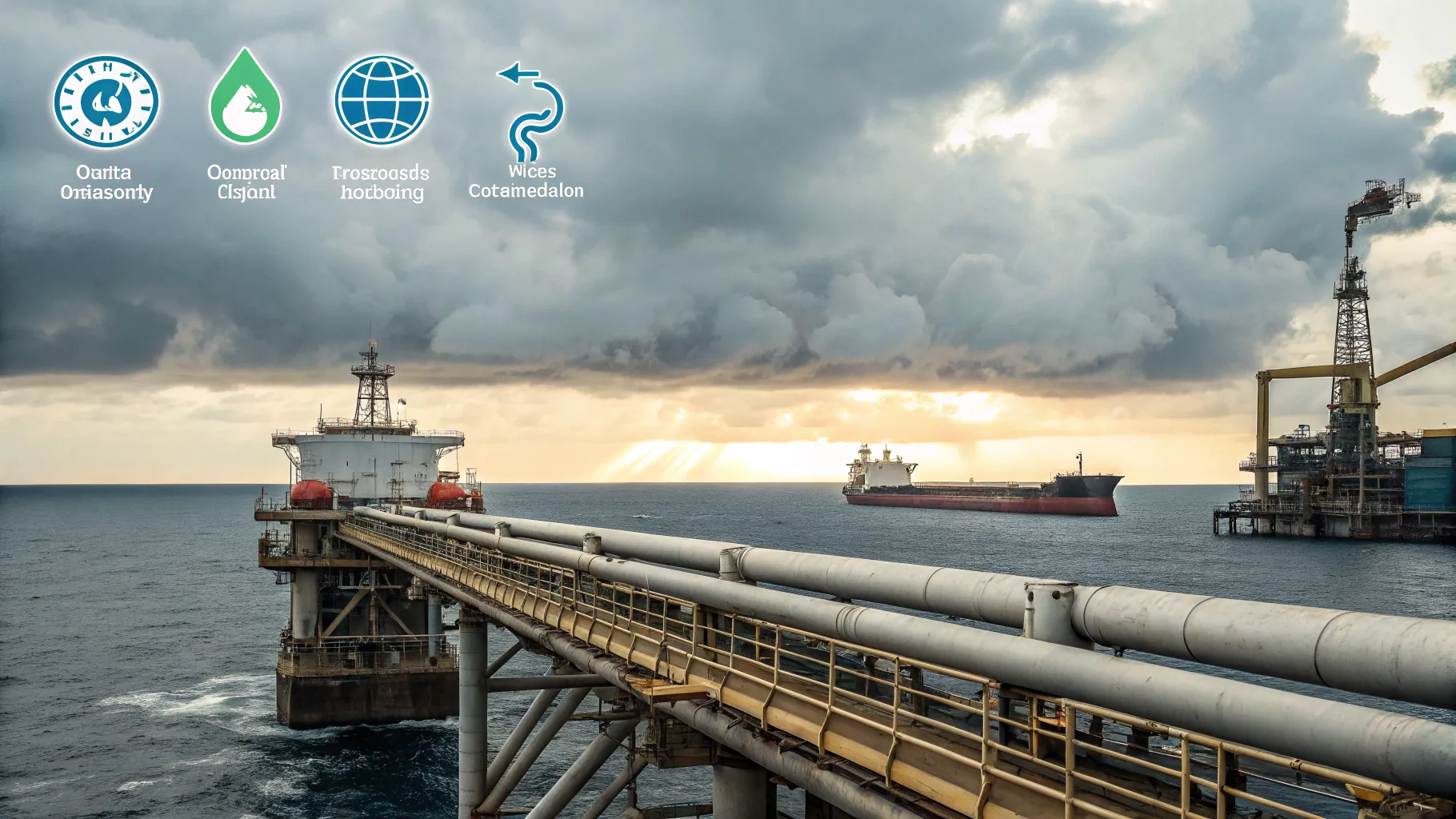

Analysts warn the world could face an oil shock worse than 1973, even as California debates how to reduce its skyrocketing energy bills. The two concerns – global fuel security and utility costs – are colliding this week in policy circles and in the markets. The stakes are high for households, businesses and governments trying to control inflation.
The risk of another shock arises from tight supply, fragile shipping routes and growing demand. In California, investor Tom Steyer presents a plan to lower prices for consumers. Both issues point to a single theme: energy risk now goes from the pump to the power meter.
How 1973 Changed Energy Forever
The 1973 oil embargo hit the United States and its allies after the outbreak of war in the Middle East. Major exporters cut shipments and prices rose sharply. Long queues formed at gas stations. Inflation soared and growth slowed.
Oil prices have almost quadrupled in a few months, going from a low figure per barrel to more than $10. Many countries imposed rationing. The crisis has spurred energy efficiency rules, the creation of strategic reserves and a new interest in alternative energy.
Why a bigger shock is now plausible
The current market has several weak points. Unused production capacity is limited and concentrated. Several large producers are curbing their supply to support prices. Sanctions and conflicts have also reduced some exports.
Maritime routes remain exposed to attacks and blockades. Disruptions in channels or choke points can increase transportation costs and delay deliveries. These delays impact refineries and retail fuel prices.
Underinvestment in new oil and gas projects since the mid-2010s has left fewer quick options to expand supply. Many fields also need constant spending to maintain stable production. When prices rise quickly, drilling takes time to catch up.
Stocks can help cushion shocks, but they have fluctuated as governments have drawn on their reserves during recent increases. Refining capacity is another limitation. Breakdowns or maintenance can drive up gasoline and diesel prices, even when crude supplies appear stable.
Economic risks if prices rise
A sharp rise in oil prices would once again fuel inflation. Fuel costs affect shipping, air transport, plastics and agricultural inputs. This would strain family budgets and put pressure on central banks.
Emerging markets are particularly vulnerable. A stronger dollar and higher oil costs can drain foreign exchange reserves and widen trade gaps. Importers risk facing power outages if they cannot afford fuel.
For advanced economies, a price shock could slow growth even as rates remain high. Governments would be called upon to cut taxes, release reserves or provide subsidies. Each step has trade-offs and budgetary costs.
California works to reduce energy bills
Californian households face some of the highest electricity rates in the country. Causes include wildfire mitigation, grid upgrades and aging infrastructure. Soaring natural gas prices have also weighed on electricity bills in recent winters.
Investor and climate advocate Tom Steyer promotes plan to lower prices. Although the details are still under discussion, the goal is clear: reduce costs while maintaining a reliable and cleaner network.
Proposed policy tools include changing how fixed and variable costs appear on invoices, adding new offerings where they are cheaper, and speeding up connections for clean projects. The state has already approved flat income-based rates to reduce some costs of per-kilowatt-hour rates. Supporters say it could ease bills for heavy users who switch to electric cars and heat pumps.
Opponents warn that frequent rule changes can discourage investment and increase costs in the long run. Utilities say they need to recoup their wildfire protection and reliability costs. Consumer groups want safeguards to prevent cost shifting that hurts low-income families or renters.
What to watch next
- Unused capacity among major producers and any new supply agreements.
- Disruptions to navigation in key channels or straits.
- Refinery shutdowns and seasonal maintenance schedules.
- Strategic reserve policies and resupply plans of the United States and its allies.
- California rate reforms, utility filings, and cost recovery rules.
- Network construction schedule for transportation, storage and community projects.
Energy security and financial accessibility now go hand in hand. A tight oil market is driving up prices at the pump, while public power systems face costly upgrades and climate risks. Warning signs point to a fragile balance.
If oil shocks intensify, central banks and finance ministries may need new tools to dampen inflation without stifling growth. In California, any plans to reduce bills will depend on clear cost controls, faster project delivery and consumer protections. The coming months will show whether policymakers can act quickly enough to prevent energy risks from escalating into broader economic impact.



