
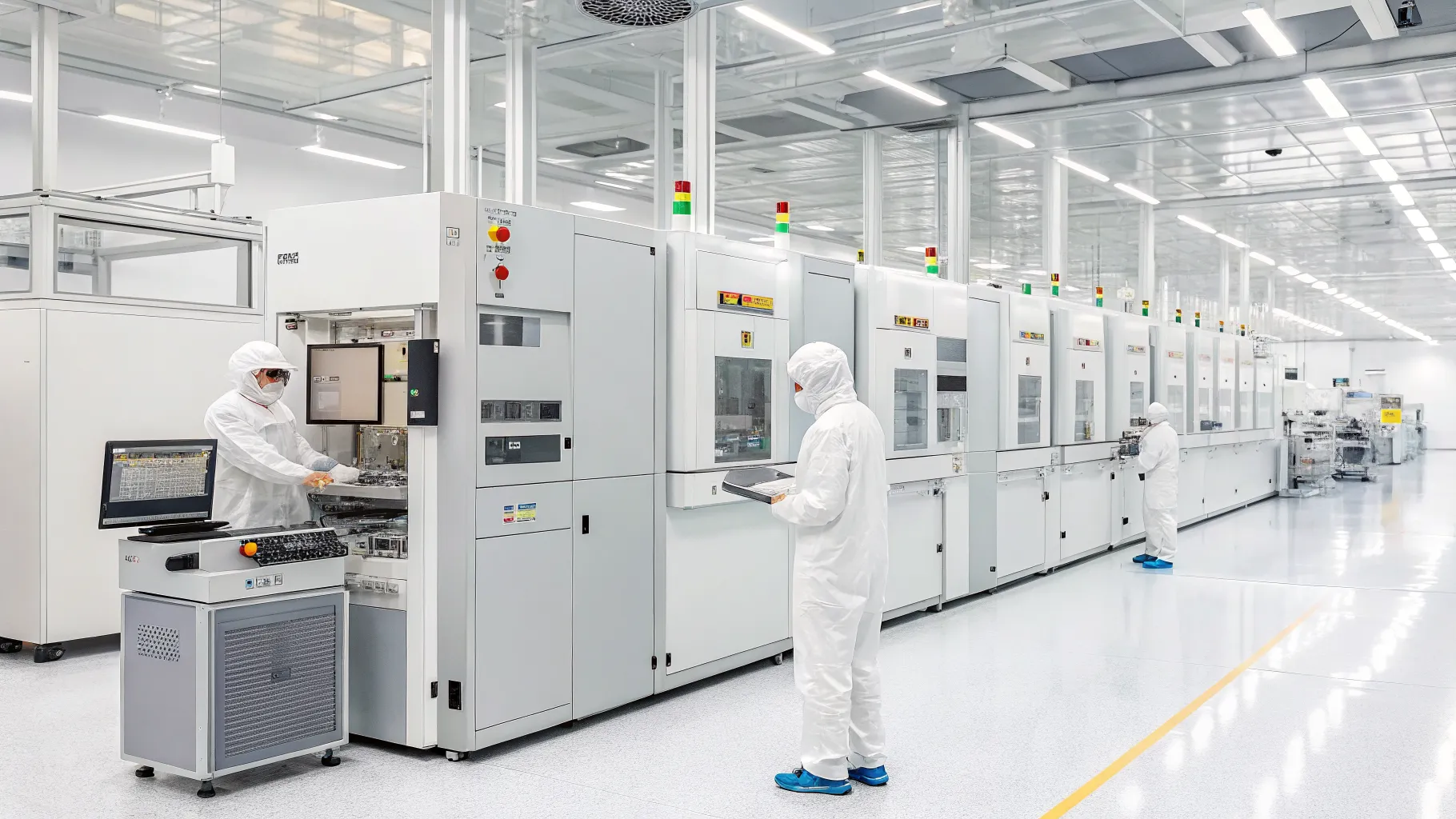
Semiconductor manufacturers are placed at the forefront of helium supplies because distributors are rationing limited volumes, according to industry consultant Phil Kornbluth. The shift reflects tightening markets and the high stakes facing chipmakers who rely on ultra-pure helium for critical production steps.
Kornbluth said allocations are guided by those who need gas the most, with chip manufacturing ranked first. This approach is shaping contracts and deliveries across North America, Europe and Asia, affecting how hospitals, research laboratories and aerospace companies plan for the months to come.
Why Helium Matters Now
Helium is essential for cooling and for processes requiring an inert and stable gas. In chip factories, it supports plasma etching, leak detection and extreme ultraviolet lithography. It also cools superconducting magnets in medical imaging and supports advanced rocket testing.
Production is concentrated in a few locations linked to natural gas production. This structure makes the market vulnerable to breakdowns, factory maintenance, and shipping delays. In recent years, supply fluctuations and project setbacks have made purchasing more difficult, pushing companies to enter into longer-term deals and contingency plans.
Allocations promote chip production
“Supply allocations are set by those who need gas the most. Semiconductors are at the top of the hierarchy,” said Phil Kornbluth, a helium consultant.
His assessment reflects a broader trend: When supply tightens, distributors direct helium to operations where disruptions result in outsized costs. Shutting down a chip line can waste wafers, disrupt delivery schedules and impact electronics and automotive supply chains.
Industry buyers are reporting tighter delivery times and higher thresholds for new accounts. Some users are being asked to accept reduced volumes or switch to alternative gases where possible, while chip mills seek firm supply guarantees.
Who else is affected?
Other sectors are adapting, often by removing non-essential uses or finding workarounds. Hospitals tend to protect helium for MRI cooling, but may delay non-urgent maintenance or switch to systems that recycle helium more efficiently. Research labs explore recovery units and planning experiments based on delivery cycles. Aerospace programs compare testing schedules to available inventory.
- Priority: Semiconductor Manufacturing and Critical Medical Cooling
- Regulated use: research, aerospace, industrial testing
- Lowest priority: discretionary and short-term requests
Distributors ask customers to document their critical needs. This process helps direct a scarce supply while encouraging investments in conservation and recycling.
Costs, contracts and retention
Market tensions often lead to price increases and stricter terms. Buyers are reporting more buy-or-pay clauses, allowance caps and penalties for last-minute changes. Long-term contracts can help, but they do not eliminate the risk of force majeure in the event of factory closures.
At the same time, technology eases the pressure. New MRI systems and chip tools support helium recovery and reuse. Recovery rates vary by configuration, but even partial recycling can reduce demand for fresh helium and protect against delivery gaps.
Outlook and what to watch out for
Future stability depends on reliable production from key production centers and smooth logistics. Any prolonged outage at a large plant can quickly tighten the market. Bringing new capacity online could help, but ramp-up timing and performance remain key variables.
Shoppers are bracing for continued rationing in the near term. Companies that rely on helium are reassessing their safety stocks, investing in recycling and coordinating their orders at the start of the quarter. Chipmakers, at the front of the line, will likely maintain priority as long as supply remains limited.
Future quarters will test how well allocation systems balance urgent needs across sectors. If supply improves, pressure on hospitals, laboratories and aerospace could ease. Otherwise, expect tighter controls, more retention, and an increasing emphasis on long-term contracts aligned with critical operations.



