

Key takeaways
- Execution matters more than ideas, because meaningful results only come from transforming concepts into concrete results.
- Purpose-driven ideas guide StrongMind’s strategy, focusing only on initiatives that clearly improve learning and support the mission.
- Progress comes from rapid iteration through launching solutions, learning from feedback, and continually refining them.
- Leadership discipline supports effective execution by prioritizing careful thinking, focused decision-making, and intentional use of time.
- Shared ownership strengthens organizational dynamics because teams perform better when they understand and believe in the purpose of their work.
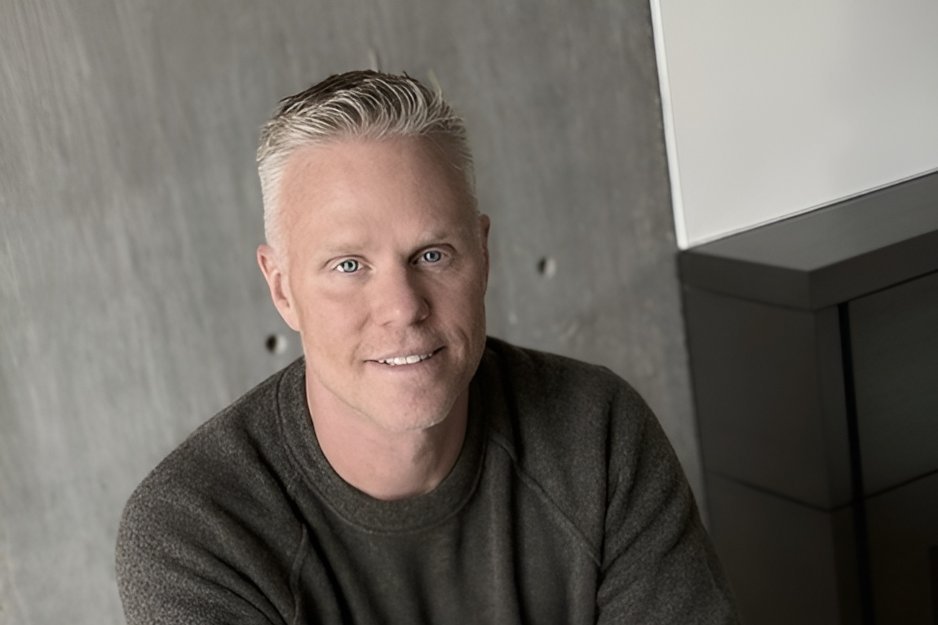
In the world of educational technology, there is no shortage of vision. Founders, researchers, and policy advocates all have frameworks, white papers, and bold theories about how learning should change. What remains rare is the willingness to actually put these ideas under pressure and suffer the consequences. Damian Creamer, Founder and CEO of StrongMind And Primavera Online Schoolspent more than two decades learning this distinction for himself.
For Creamerthe gap between a compelling idea and a meaningful result is not a creative problem. It’s a discipline problem. And he believes that most organizations are not prepared to deal with it.
“Ideas are easy and execution is everything,” says Creamer. “I bring ideas to life by testing them early and grounding them in purpose. If an idea doesn’t clearly improve learning, empower people, or advance the mission, it doesn’t make a difference.”
This philosophy has shaped StrongMind’s evolution from a traditional curriculum provider to what Creamer describes as a comprehensive learning ecosystem, which integrates proprietary technology, AI-powered tools and human-centered design to serve K-12 online schools and homeschooling families.
Testing the “why” under pressure
Damian Creamer didn’t build StrongMind by chasing trends. He built it by staying close to a problem that most in education preferred to talk about rather than solve: the disconnect between the way students actually learn and the way most systems are designed to teach them.
His approach to bringing ideas to life begins long before a product is created. It begins with a question he constantly returns to: does this idea serve the learner?
“Once the ‘why’ is established, I focus on the simplest version possible that can create real momentum,” says Creamer. “From there, it’s about getting the right people in the room and creating shared ownership. The best ideas improve when they’re challenged.”
This process is not linear, and Creamer is upfront about it. StrongMind’s journey to a next-generation platform required dismantling assumptions that had been comfortable for years. Old models had to be re-examined. Incremental improvements had to give way to more structural changes. And the organization had to embrace short-term disruption to make a longer-term impact.
Shipping, learning and moving forward
One of the most prominent expressions of Creamer’s philosophy is his stance in favor of perfection. He doesn’t believe in it, at least not as a prerequisite for progress.
“I like to go fast, but not recklessly,” he says. “I believe in transportation, learning and iterating. Progress beats perfection every time. We launch, we listen, we adjust and we keep moving forward.”
This approach reflects Creamer’s broader belief regarding organizational culture. He believes that momentum is a resource and that waiting for the perfect version of something is one of the most reliable ways to lose it. In a field like educational technology, where students and families depend on real results, this urgency isn’t just a competitive instinct. It’s a moral question.
At the same time, Creamer is careful to distinguish speed from recklessness. The work done by StrongMind affects how children learn, and that responsibility shapes every decision about what to ship and when to ship it. According to him, execution is not about acting quickly for the sake of it. It’s about eliminating friction so that the right job gets done right and without unnecessary delay.

The discipline behind the vision
Damian structures his own days around the same principles he applies to construction products. Mornings are protected for deep reflection. He makes his most important decisions before 2 p.m., a practice rooted in his awareness of decision fatigue and the limited nature of high-quality cognitive energy. Meetings are intentional, not routine.
“My goal is to make all important decisions before 2 p.m.,” he says. “Decision fatigue is real, and I want my best thoughts to focus on the choices that matter most. »
This same intentionality extends to how he evaluates where to invest the organization’s energy. Creamer doesn’t treat all ideas the same and he doesn’t think leaders should. He says the ability to say no to good ideas in service of good ones is one of the most underrated skills in organizational leadership.
He draws a direct line from this discipline to StrongMind’s long arc of growth. The company, by its own description, has been an overnight success for 25 years. This kind of perseverance doesn’t come from pursuing every promising direction. It comes from obsessing over the right problem long enough to be able to solve it.
Ownership as an execution engine
Perhaps the most recurring theme in Creamer’s approach to building StrongMind is his belief in shared ownership. Ideas are not born through the force of conviction of a single person. They come to life because a team has internalized the purpose behind them and feels genuine responsibility for the outcome.
This belief is based on something that Creamer argues with some conviction: that people do their best work when they truly care about the problem they are solving. He acknowledges that this is not a universally accepted view. Many leaders believe that professionalism and discipline should be enough to produce quality work. Creamer disagrees.
“I don’t view disengagement as a work ethic issue,” he says. “I see this as an alignment issue. When there is a real connection to the ‘why,’ the effort feels lighter and momentum ensues. When there isn’t, even small tasks feel heavy, regardless of someone’s ability.”
This perspective shapes how he builds teams, communicates strategy, and assesses whether an initiative is truly ready to move forward. If the people who should own the work don’t understand why it’s important, the execution will suffer, no matter how sound the plan is on paper.
From idea to execution
The education sector is full of movements that never came to fruition. Bold commitments to personalized learning, student well-being, and equitable access that remained inspiring on conference slides but never became part of a student or teacher’s daily experience.
Damian Creamer spent his career try to close this gap. Not by generating better ideas, but by building the systems, culture and discipline to bring them to life.
His work at StrongMind reflects a simple but demanding belief: that educational transformation is not a thought experiment. This is an operational challenge. And the organizations that will shape the future of learning aren’t the ones with the most compelling vision. They are the ones who are determined to implement it, even when the process is slow, and the path forward is not yet entirely clear.
“Ideas don’t come to life because they’re brilliant,” says Creamer. “They come alive because they are aligned, actionable and possessed. »

FAQs
Who is Damian Creamer?
Damian Creamer is the founder and CEO of StrongMind and Primavera Online School, known for his interest in improving digital learning systems in K-12 education.
What leadership philosophy does Damian Creamer follow?
Creamer believes that ideas alone are not enough and that true success comes from disciplined execution, shared ownership and a strong connection to the goal.
How StrongMind brings new ideas to life?
The organization tests ideas from the start, launches simple working versions, collects feedback and continually iterates to improve learning outcomes.
Why does Creamer emphasize execution over perfection?
He believes that waiting for perfect solutions slows progress, while spreading and refining ideas over time allows organizations to maintain momentum and learn faster.
How does shared ownership influence team performance?
When team members understand the mission and feel accountable for results, they are more engaged and motivated to deliver high-quality work.



