
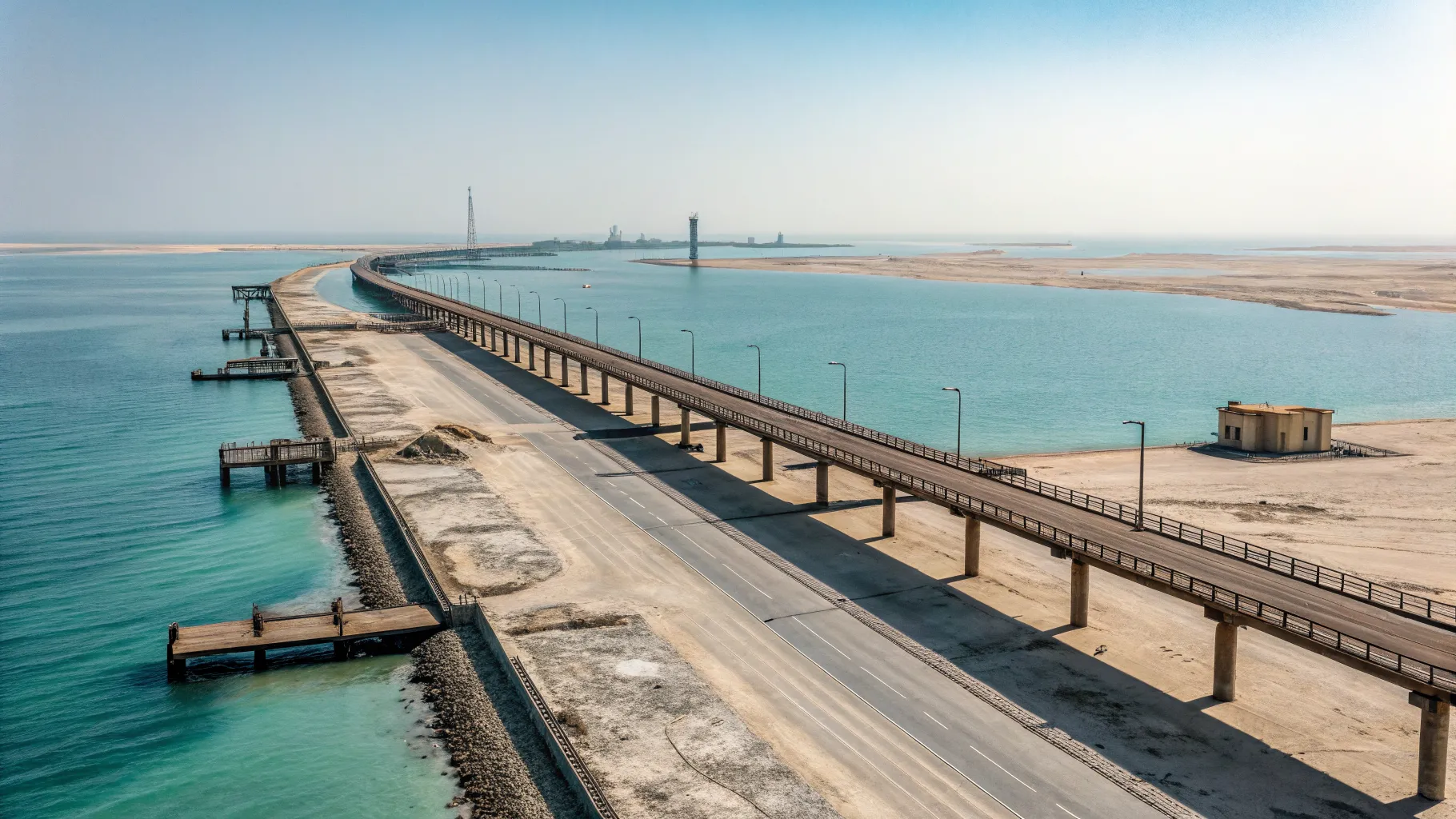

Iran’s main crude export hub saw its docks remain idle on Tuesday, signaling further disruption that could ripple through oil markets dependent on Gulf supplies. Satellite images reviewed by Bloomberg showed no tankers at Kharg Island’s oil piers, limiting Iran’s ability to load and ship barrels to a central site for its foreign sales.
“Oil piers on Iran’s Kharg island were once again empty on Tuesday, limiting the country’s ability to export crude, according to satellite images collected by Bloomberg.”
This pause raises questions about whether the cause is operational, weather-related, or related to shipping and sanctions. It also comes at a time when traders are closely monitoring supply signals amid limited spare capacity and geopolitical risk in the region.
Why Kharg Island is important
Kharg Island is in the northern Persian Gulf and is Iran’s main terminal for crude oil shipments. When tankers don’t dock there, export flows can slow, even if production continues inland. The site has experienced intermittent interruptions over the years, including maintenance work, adverse sea conditions and sanctions challenges that complicate chartering and insurance.
Iran’s export patterns have changed in recent years, with buyers weighing sanctions exposure, transportation costs and regional security. Satellite tracking has become a common tool for assessing movements when official data is limited. Piers that are empty, even for a day, tend to attract attention because they can hint at emerging stresses or brief lulls in tanker scheduling.
Possible factors behind the lull
Without official confirmation, several factors could explain the images:
- Sea or weather conditions delay safe docking and loading.
- Maintenance of docks, loading arms or storage infrastructures.
- Planning of gaps between departing and arriving tankers.
- Sanctions may affect vessel availability, insurance or itineraries.
Any of these can interrupt activity without signaling a lasting trend. Nonetheless, repeated episodes may indicate tightening logistics or increased caution on the part of shippers.
Market implications and risks
Oil markets often react to signals about the export capacity of major producers. A brief period of inactivity on Kharg Island alone may not change prices. But traders track these events in conjunction with other indicators, such as OPEC+ policy, refinery demand and freight rates. If the absence of tankers persists, this could limit Iranian barrels available in the short term to Asia and other destinations and support prices at the margin.
Refiners processing medium to heavy grades would be most susceptible to a longer slowdown. They are already facing tighter supplies of similar crudes due to production limits and outages in other regions. Alternative grades can fill this gap, but with different yields and costs.
Shipping, sanctions and insurance
The application of sanctions affects the availability of suitable vessels and insurance coverage. Some vessels use opaque ownership structures or conduct ship-to-ship transfers to manage their exposure. These practices can introduce delays and make stopovers less predictable. Increased compliance checks by insurers and ports may also lengthen loading windows.
Analysts note that even when exports continue, the supply chain can slow down due to additional paperwork, route changes or last-minute charter cancellations. These frictions can appear in snapshots, like empty berths, even if flows resume soon after.
What to watch next
Observers will be looking for new satellite passes showing new arrivals on Kharg Island. They will also track the movements of tankers leaving nearby anchorages and compare them to recent loading patterns. Any official comment on maintenance or weather would help clarify the cause. Changes in freight rates for Gulf loadings and admissions reported by refineries in major buying countries could provide additional signals.
For now, the images point to a pause rather than a confirmed trend. But repeated periods of inactivity could tighten some crude slates and increase price volatility if they align with other supply constraints.
The coming days should show whether Tuesday’s void was an incident or a sign of recurring tensions in Iran’s export chain. Traders will weigh the duration, frequency and any reasons given. If activity rebounds quickly, the impact on the market could be limited. Otherwise, refiners and shippers may have to adjust their schedules, seek replacement grades, or pay higher freight and insurance costs.



