

Amidst the promises of a great recovery of employmentinvestors are investing more in artificial intelligence, raising the question of who benefits and when workers will benefit. The debate centers on whether policy commitments to rebuild employment match the speed and scale of private capital flowing into AI companies and infrastructure.
The tension manifested itself in a concise assessment shared during a recent discussion:
“Trump’s promises to boost jobs have yet to materialize, but investments in AI are soaring.”
This comment reflects a growing gap between big promises and market behavior. It also highlights uncertainty about how spending on new technologies will translate into overall job growth.
Context: promises and performance
Donald Trump has long linked his economic program to job creation. He emphasized deregulation, tax breaks and pressure on businesses to build domestically. Supporters say these measures can boost hiring by reducing costs and improving trust.
Critics say recent hiring trends show uneven gains. They note that manufacturing and some middle-skilled positions remain tight, while high-income sectors and services have seen stronger growth. They also emphasize that automation constitutes a barrier to certain jobs.
The latest discussions suggest that overall engagement has not matched results so far. At the same time, a different story is unfolding in the area of technology financing.
AI funding explodes ahead of clear job gains
Private capital is flowing into AI startups, data centers and chip suppliers. Investors back models, cloud tools and specialized hardware. The bet is that AI will improve productivity and open up new business sectors.
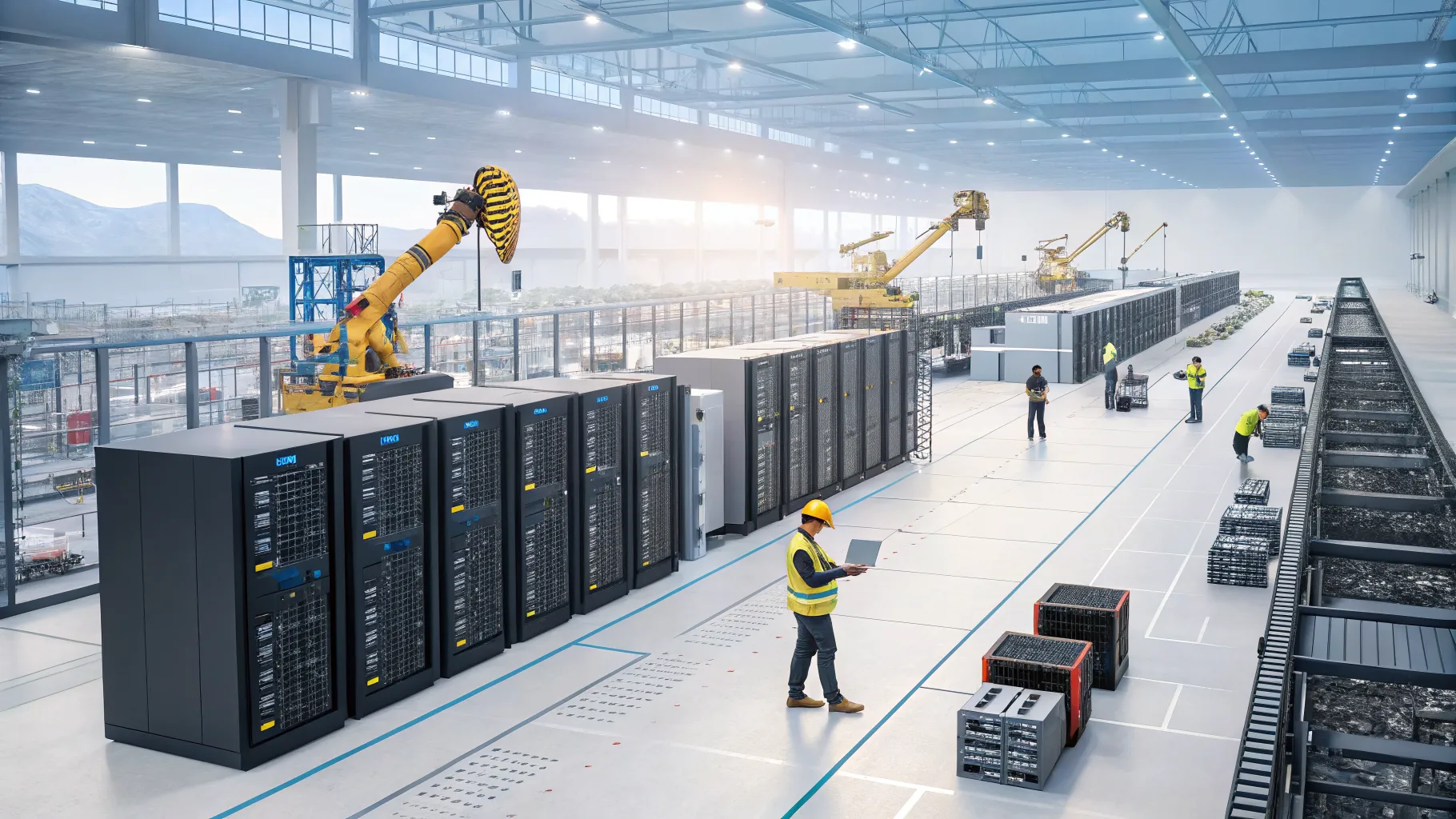
Supporters argue that this spending will support jobs in construction, energy and software. They highlight data center projects, model training and new services that require a skilled workforce.
Skeptics counter that short-term gains are concentrated. They say many benefits accrue to a small group of companies and highly skilled workers, while hiring in general lags.
- Capital is flowing into AI infrastructure and core model developers.
- Demand is increasing for cloud, chips and energy supply.
- Hiring growth appears strongest in data center-related technical and construction positions.
Impact on the industry and who wins
The manufacturing sector faces a mixed situation. AI can improve quality and reduce downtime, but it can limit net hiring if automation replaces certain roles. Service businesses are seeing tools that speed up office work, increasing output per employee rather than headcount.
Small businesses could benefit from cheaper software, but many don’t have the funds or skills to deploy AI well. Larger companies, with data and talent, are more likely to realize gains quickly.
Unions and worker groups are demanding training, wage supports and safety nets. Business groups want faster approvals for data centers and clearer rules on the use of AI. Both sides note that policy choices will determine how investments affect employment.
Signals to watch out for
Analysts track a few indicators to judge progress. They look at jobs in data center construction, hiring in chip and power projects, and openings for AI engineers. They also monitor productivity growth, which could raise wages if it spreads across all sectors.
Policy-wise, they follow incentives for domestic manufacturing, rules around AI safety, and support for workforce training. These measures can tip the scales towards broader job creation.
Balancing promises and reality
Supporters of the jobs program say big projects take time. They highlight supply chain relocation and industrial plans that evolve in stages. Critics respond that time is running out for workers in at-risk positions and that gains seem distant outside a few hubs.
Both views agree on one point. The increase in AI spending is real and its effects extend to energy, construction and software. The open question is how much of this spending becomes stable, middle-income work.
The final takeaway is clear. Job promises are put to the test, while Investment in AI upcoming races. The coming months will show whether training funds, authorization changes and targeted incentives can turn capital spending into large-scale hiring. Monitor changes in mid-skill positions, data center project approvals, and salary growth linked to productivity. These signals will show whether the employment recovery is ready to follow the AI boom.



