
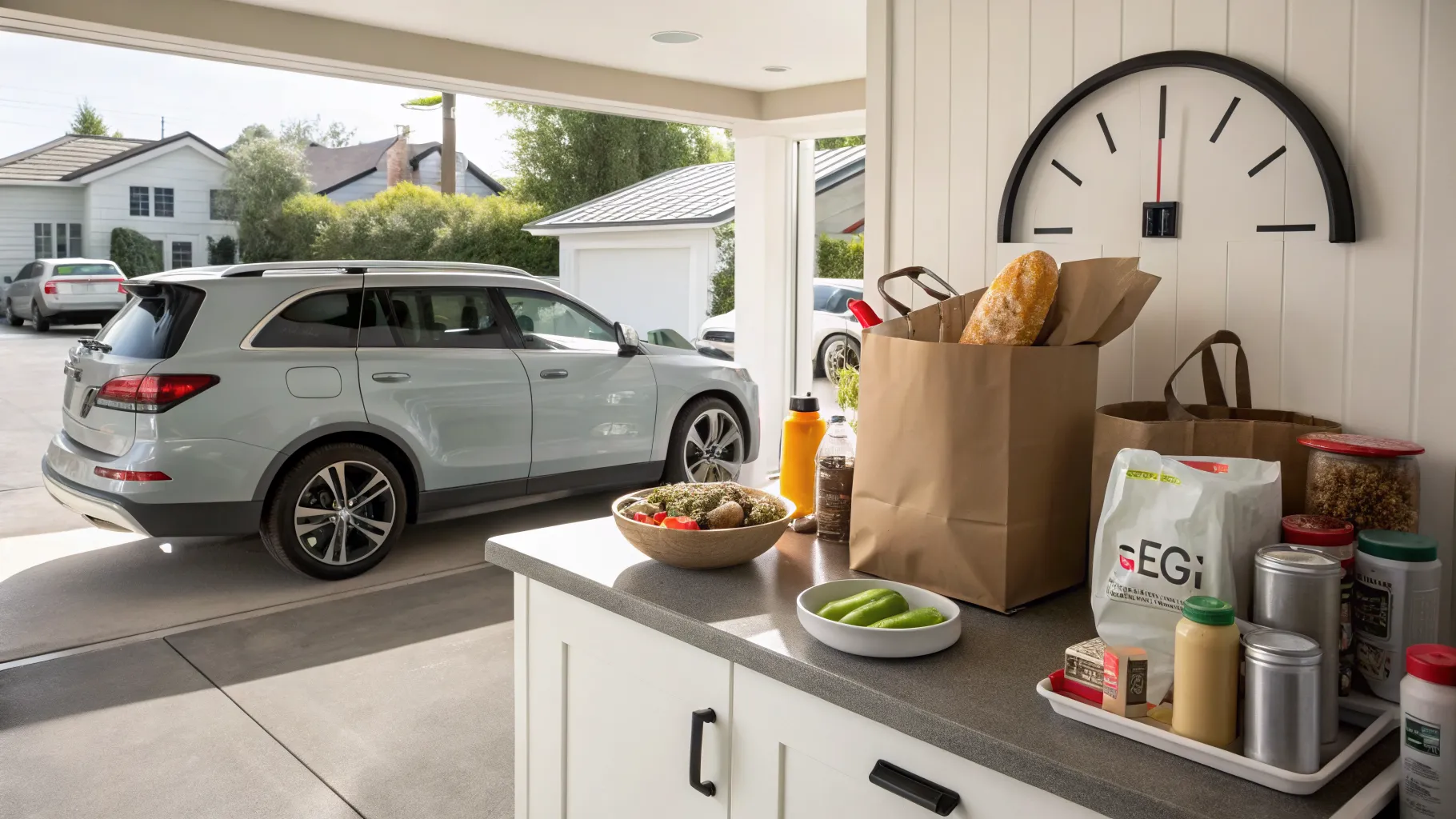

When crude oil price rise or fall, the effects are quickly evident at gas stations and, soon after, on store shelves. This link drives energy bills and daily costs up and down across all regions as markets respond to supply reductions, geopolitical risks and changing demand.
The issue is important to drivers, shippers and families watching inflation. Oil trades globally and sets a base cost for fuels like gasoline, diesel and jet fuel. Price movements spread across transportation, manufacturing and even food production.
“When oil prices change, it affects your energy costs, and even the price of everyday items. Here’s why.”
How Oil Prices Reach Consumers
Crude oil is the starting point for many fuels and products. Refineries turn it into gasoline, diesel and jet fuel. It also nourishes plastics, chemicals and synthetic fibers.
Fuel prices often follow the crude with a short lag. The U.S. Energy Information Administration has estimated that crude oil can account for about half or more of the retail price of gasoline, with the rest tied to refining, distribution and taxes. When the price of crude increases, retailers adjust pump prices to cover higher wholesale costs. When crude falls, prices at the pump can fall, although sometimes more slowly.
In many countries, utilities rely more on natural gas, coal or renewable energy than on oil. However, oil prices can influence electricity costs through shared supply chains, fuel shifts in certain markets, and general inflationary pressures in the energy sector.
Transport, shipping and air transport
Diesel is the lifeblood of road transport and rail freight. Rising diesel prices increase the cost of transporting goods. Freight carriers often add fuel surcharges, which retailers pass on to customers.
Airlines face a similar dynamic. Jet fuel is one of their biggest expenses. When oil rises, routes with low margins may see their rates increase or their capacity reduced. When there is a decline, carriers sometimes reinstate flights or offer competitive fares, although demand and competition matter as much as fuel costs.
Groceries and everyday goods
Oil influences food prices in two main ways. First, it powers tractors, trucks and refrigeration systems. Second, it affects the cost of fertilizers and packaging. Plastics and resins come from petrochemicals, and higher input costs make packaged products more expensive.
Shoppers often notice price changes for items with heavy transportation needs, such as fresh produce, beverages, and household products that use plastic containers. Large retailers can smooth out fluctuations with contracts and inventory, but smaller businesses have less room to absorb increases.
What history shows
Past peaks and recessions offer clues. Oil surged in 2008 before crashing during the financial crisis. Prices jumped again in 2022 after Russia’s invasion of Ukraine disrupted flows, fueling a broader wave of inflation. Subsequent declines helped dampen headline inflation in several countries, although rents and services remained firm.
Central banks are closely monitoring energy. Quick drops of fuel can cool swollen prints. Strong increases can raise them, thus shaping the evolution of interest rates and household confidence.
What to watch next
Oil markets react to signals in real time. A few drivers often set the tone:
- Production decisions of major exporters and OPEC+ partners
- Geopolitical risks that threaten supply routes
- Economic growth in the United States, China and Europe
- Inventory levels and refinery outages
- Seasonal demand for gasoline and diesel
Longer term, improved fuel efficiency, electric vehicles and new refining capacity may change supply and demand patterns. But for now, crude remains a key input for transportation and industry in many regions.
What households can do
Families cannot control global markets, but they can manage their exposure. Fuel-efficient driving, route planning and regular maintenance can reduce gasoline consumption. Comparing electricity plans or shifting some usage to off-peak times can be helpful when time-of-use rates apply. Buying non-perishable products in bulk during periods of falling prices can mitigate future increases.
The connection is clear and persistent. Oil sets a floor for many costs, and changes ripple through the economy with a time lag. When prices rise, fuel and freight move first, then goods and services. When they fall, help may take longer to arrive, but it does reach households. The coming months will depend on supply decisions, travel demand and the health of major economies. Consumers should monitor prices at the pump, airline fuel surcharges and shipping rates for early signs of where everyday costs will go.



