
Many cancer “breakthrough” headlines raise unrealistic expectations because early research results often fall far short of producing immediate, real benefits for patients. If a given patient sees a headline about a new drug that has demonstrated tumor shrinkage in mouse samples, they will immediately rush to tell their doctor and ask when it will be available for human samples.
However, things are not that simple and acting as if they are is detrimental to all parties involved. While topics like these obviously make headlines and generate enormous public interest, they ultimately contribute to reductive and frustrating narratives about these medical fields as a whole.
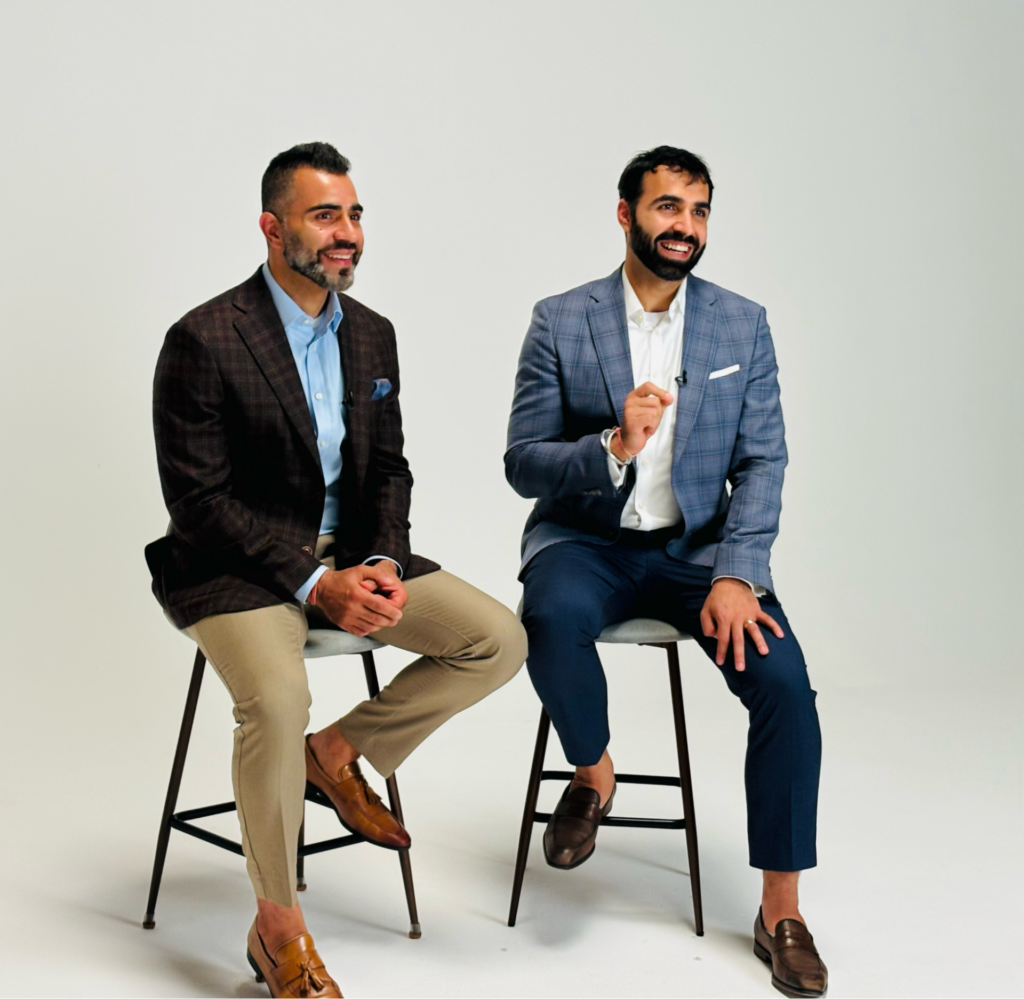
For practicing oncologists, this sequence is not only often frustrating, but also incredibly familiar. Such headlines circulate far more quickly than clinical validation ever could, leading to great dissonance between the types of information that make headlines and the medical information that has actually been verified. Significant impact in oncology requires much more than promising laboratory results or early trial data. It depends on clinical validation, careful interpretation of endpoints, regulatory context and time. This is why the Oncology Brothers highlight the difference between early promise and proven benefit for the patient.

Laboratory success is not clinical proof
So where exactly do these “groundbreaking” headlines come from? Many of these cancer headlines actually come from preclinical models. This does not mean that the results of these models or tests are invalid, but simply that announce them to such an audience and drawing such attention to these early stages lends a kind of weight and scrutiny that is rare and often unwarranted.
These are often legitimate first steps, as preclinical data identify targets and warrant further investigation and scientific exploration. But that’s precisely the problem: These promising early results rarely, if ever, translate into the actual medical field, and yet these headlines can sow distrust among patients who feel like they’re being denied a revolutionary new drug.
Understand the context
A drug that works well in controlled animal models may behave very differently in humans, meaning that just because a product has promising early preclinical models doesn’t mean it won’t be eliminated as a viable human option a few days later. Without this type of understanding and crucial context, early laboratory results can prematurely inflate patient expectations.
Patients often interpret “mouse work” as “coming soon,” when in reality, such results typically mark the beginning of a multi-year process of clinical evaluation. This is a conversation Oncology Brothers have had repeatedly, both in the clinic and on their platform, conveying the reality of drug development timelines for patients and community clinicians.
The discrepancy between statistical significance and clinical significance is rarely explained in mainstream media coverage. It is often in this gap that the difference between “breakthrough” and “gradual improvement” lies.
Relative risk versus absolute benefit
It is important to remember that while media, whether print, television, or online, exists as an information resource, it also exists in the entertainment industry. Their whole business model depends on audience attention on a large scale, and the headlines explain how they do it. Contrast this with the medical field, whose sole goal is to provide meaningful, authenticated, and safe treatment to patients, and the reality of this dissonance becomes clearer.
Media reports often emphasize relative improvements because they seem more dramatic. A therapy that reduces risk by 30 percent seems transformative, but the reality is that this interpretation is incomplete. Such a title sounds compelling enough for entertainment purposes and will undoubtedly attract a lot of attention. However, this is not the sort of thing that has substantial evidence behind it in the medical field.
Oncologists must interpret data at the absolute level. Patients deserve to understand not only the percentages, but also the actual implications measured in terms of time and quality of life.
Regulatory approval does not equate to universal applicability
When a new drug gains regulatory approval, headlines often suggest that it is widely available and beneficial to everyone. In fact, approvals are limited to specific disease subtypes, biomarker profiles, and therapeutic lines. The eligibility criteria are important. For example, a therapy approved for patients with a certain mutation after previous treatment does not automatically apply to newly diagnosed patients. Biomarker testing may be necessary. Insurance approval may delay access. Risks of toxicity may also restrict use in some patients.
THE Oncology Brothers have made the idea that implementation is contextual a central theme of their work. Their conference coverage at meetings like ASCO, ESMO, SABCS and ASH sees them breaking down not only what has been approved, but who it actually applies to and how it fits in with existing therapy. In this way, their work allows for clearer and more consistent communication within the broader oncology community. Approval marks the beginning of integration into clinical algorithms, not the end of evaluation.
Progress is real, but it is measured
The Oncology Brothers do not reject advances. Instead, through their podcast episodes, YouTube sessions, and evening live lectures held alongside major oncology meetings, they regularly highlight data that truly changes standards of care, featuring expert panelists who are actively shaping the field to discuss what the results mean for real patients in the community setting. However, they always distinguish between early promise and proven impact.
A therapy that improves overall survival in a randomized trial in a clearly defined population with manageable toxicity represents real progress. A laboratory breakthrough represents a possibility. Both are important, but they occupy different positions on the spectrum of evidence.
Immediate patient impact requires confirmation, reproducibility, regulatory review, guideline integration, and clinician experience. That the process protects patients of premature adoption and ensures that enthusiasm is consistent with the evidence.
Why responsible interpretation is important
In modern oncology, information spreads quickly. Social networkspress releases and conference coverage amplify results in real time. While this accelerates awareness, it also compresses nuance.
Responsible interpretation serves as a guarantee. Oncologists must interpret data carefully, balancing hope and realism. When headlines oversimplify, clinicians provide context. When the first results look promising, they explain the next steps. Cancer research continues to advance rapidly. Progress is happening. But most headlines reflect the first steps, not the final results. For patients, the difference between promise and proof is significant. This influences decisions, expectations and trust.
From the Oncology Brothers’ perspective, protecting this distinction is part of responsible oncology care. This is why Drs. Rohit and Rahul Gosain have built a platform rooted not in amplifying every headline, but in translating only the evidence that has matured enough to truly change lives, and ensuring that that translation reaches the community of clinicians and patients who need it’s the most.



