
- By
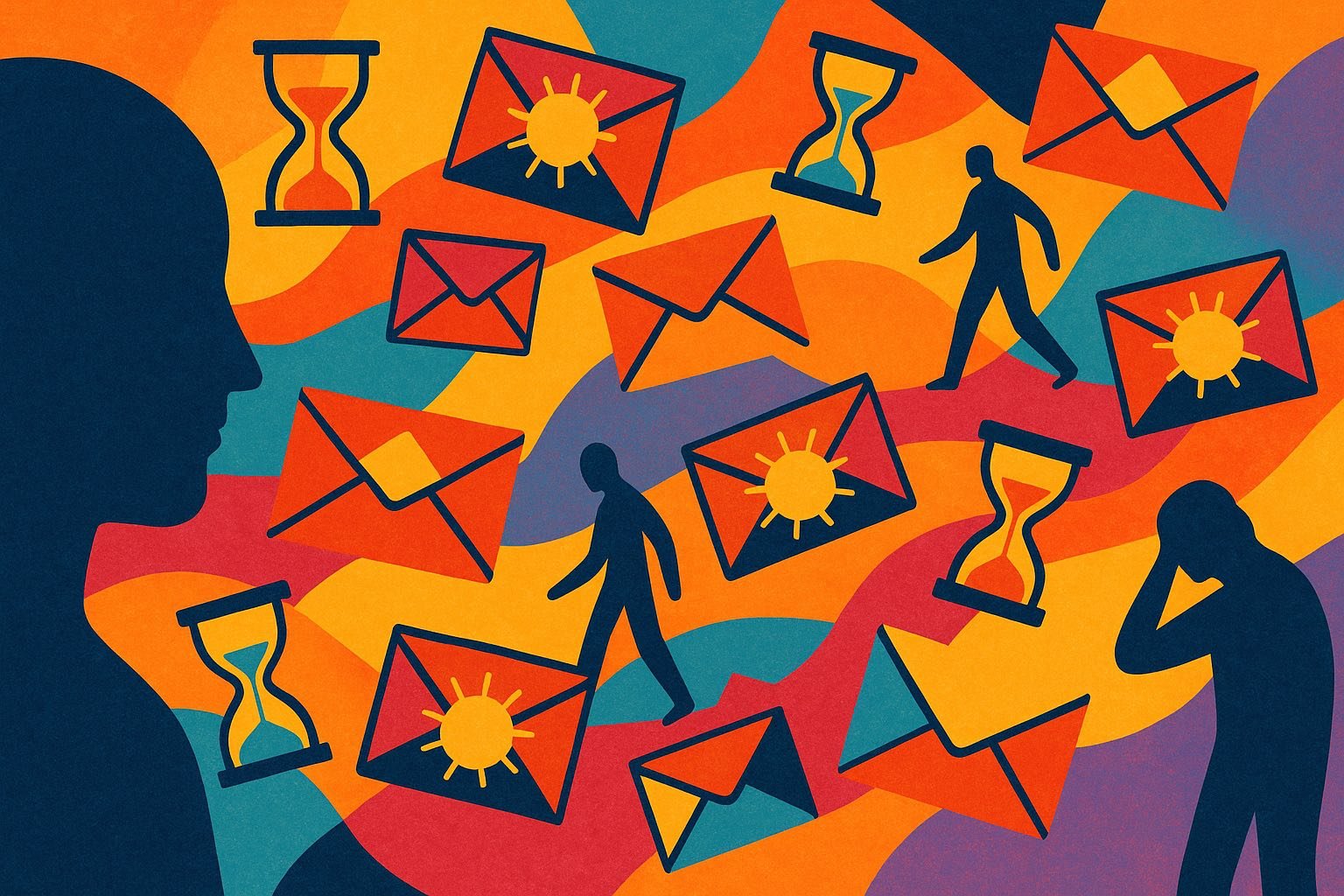
You start with a newsletter. It’s awesome – thoughtful, insightful, and possibly even life-changing. So you subscribe to another one. Then another. Before long, your inbox turns into a wall of unread Substack messages, each demanding your time, each deserving it – but none getting it.
What happened?
The answer is simple and brutal: you lacked attention.
In today’s world, attention is the most valuable – and limited – resource we have. There is only a limited amount of time in a day and a limited amount of mental space we can give to ideas, voices, and creators. As more people post more content, the fight for that attention becomes ruthless. And more and more, only a handful will win.
If you’re a content creator – on Substack, YouTube, Twitter or anywhere else – this directly affects you. If you’re a reader or consumer, it shapes what you see and what you miss. And if you care about the future of independent voices on the Internet, this should worry you.
Let’s break down the ruthless calculus of attention, why it’s creating a new class of digital monopolies, and what it means for the future of blogging, discovery, and the open web.
🎯 The problem: you only have a limited number of minutes in a day
Let’s say you subscribe to a Substack newsletter. Great. This newsletter now owns your reading time and your mind sharing. But as you subscribe to more – two, five, ten – something happens: Each one starts to matter less. Not because they are worse, but because you are finished.
Time and attention are non-scalable resources. You can’t make more. So as you add more things to read, your attention stretches thinner and thinner until finally, everything seems overwhelming and nothing sticks. You stop opening certain emails. You unsubscribe. You are trying to “simplify”.
At some point, subscribing to more newsletters becomes no better than not subscribing to any.
📉 The essential mathematics of attention
This dilution creates a brutal dynamic: only one some newsletters can survive in the long term. And it’s not based on merit alone – it depends on who got there first, who has the biggest audience, who is already a “winner”. This creates a the winner takes the most economy:
- A few creators receive most of the attention, subscriptions, and revenue.
- Everyone struggles, no matter how good they are.
- The longer this system operates, the more the bigger the winners become – because attention begets more attention.
It is power law distribution in action: not everyone has the same share. A small handful gets almost everything. Most get almost nothing.
💼 It’s not just a substack
The substack simply makes this dynamic visible and economical — but it’s everywhere:
- Twitter/X: Your tweets are only visible if you already have subscribers or if you are boosted by someone who does. Virality is concentrated.
- YouTube: The algorithm favors large chains. More views → more recommendations → more views.
- Instagram, TikTok: Once you are in favor of the algorithm, you can drive it. But breaking in is a difficult and uphill battle.
- Podcasting: Discoverability is terrible. Big shows dominate. Everyone is fighting for crumbs.
These platforms all work like attention funnels. And the longer they exist, the more network effects lock the upper level.
🧱 The old Web: slower, flatter, more open
Compare this with the old world of blogs – like WordPress blogs. There is no native network effect. No timeline. No algorithms. Just you, your blog, and the great open web.
For years, WordPress blogs have grown thanks to Google Search. You wrote good, SEO-optimized articles and hoped people would find you through queries. It wasn’t perfect, but it gave small bloggers a chance. You can rank for niche topics and gradually generate traffic.
But this world is disappearance.
With AI increasingly answers questions directlypeople might never even visit your blog. If the AI summarizes your message or gives a response before anyone clicks on a link, your writing becomes invisible. The front door to your content disappears.
In a world dominated by AI research, the path to discovery is cut. Unless you’re already tall, it’s only going to get harder.
🔁 Worsening inequalities in the creator economy
What we see is a system in which:
- Attention is rare
- Platform reward scale
- Discovery favors incumbents
- Monetization is linked to visibility
This creates a self-reinforcing feedback loop: Top 1% get more reach, more subscriptions, more revenue, more time to create, better tools, and more visibility. The bottom 99% remain stuck in the dark, regardless of the value of their work.
And since users can only Really follow maybe 5-10 newsletters or creators in depth, which puts a hard ceiling on how many people can prosper.
This is not a moral failure. It’s just math.
🧭 What can we do?
There is no silver bullet, but awareness helps. Here are some possibilities:
- Conservatives matter: As recommendation algorithms become saturated or manipulated, people will turn to trusted curators – individuals or small publications who help filter out the noise.
- Niche or die: The best plan for new creators is ultra-niche to focus. Don’t be “yet another productivity blog.” Be THE blog on “the productivity of independent animators in their 30s”.
- Establish direct relationships: Email, community, or membership models that foster real connection (not just passive reading) may survive better than mass content.
- Leverage platforms, don’t rely on them: Use Twitter/Substack/etc. as tools – not foundations. Own your audience where you can.
- Advocate for platform diversity: A healthy ecosystem needs more than one or two monopolies of attention. Platforms that support discovery and equity in growth are rare, but vital.
🚨 Final thought: If you’re not already tall, you’re probably sunk
Harsh? Maybe. But this is the emerging reality of the modern content economy. If your work is great but goes unread, it may not be your fault. Maybe it’s just a calculation.
To survive, creators must adapt – otherwise the few who have already won will quietly consolidate the future.
Relevant reading:




