
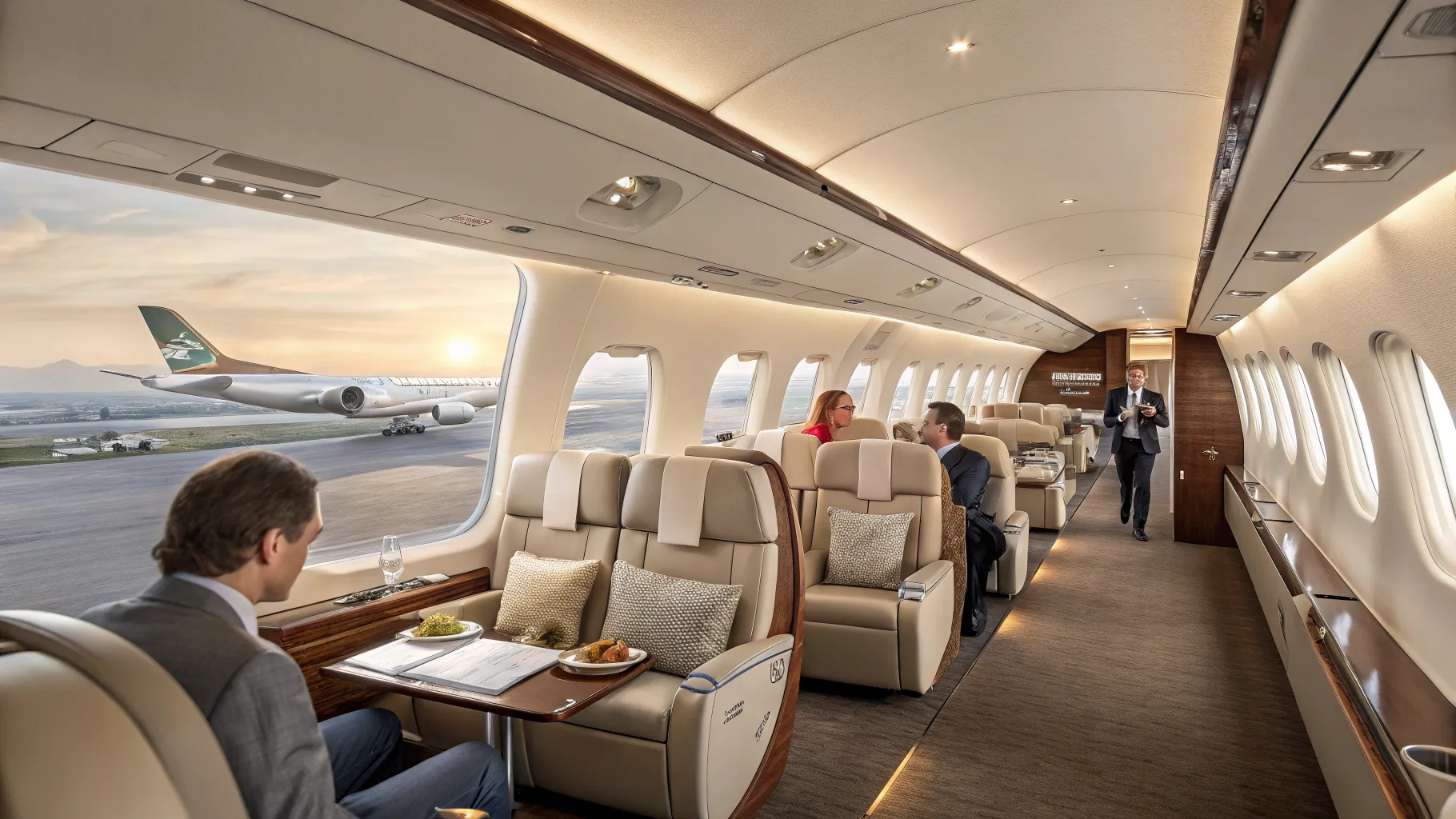

United Airlines undertakes high-stakes offensive high-end travela move that places the carrier in direct competition with Delta for high-yield passengers. Under Scott Kirby’s leadership, the airline has relied on upgraded cabins, faster Wi-Fi and a sharper loyalty strategy to win back frequent flyers and high-end leisure travelers. This shift, underway in recent years across United’s network, demonstrates a desire to reshape revenue distribution and brand perception in major hubs.
The approach is simple: sell more seats that customers will pay extra for, make the onboard and digital experience faster and more reliable, and build loyalty through benefits and points. The result is a clearer pitch to professional buyers and wealthy families who prioritize comfort and time saving. It is also a direct response to Delta’s long-standing strength with premium customers.
Context: A race to win premium flyers
Delta is the leader in premium cabin revenue, building a reputation for service, consistent operations and refined products. United, reshaped by a merger a decade ago, has spent years catching up on cabin consistency and onboard amenities. Polaris Business ClassLaunched in the second half of the last decade, began this reset with reclining seats, upgraded bedding and upgraded lounges.
Kirby, who became CEO in 2020, emphasized speed and scale. United has carried out a major refresh of its fleet with more premium seats on narrow bodies, more seatback screens and expanded high-speed satellite connectivity. The goal is to make the product predictable across aircraft types and routes, a common complaint from travelers before the update.
The Premium Push: cabins, connectivity, consistency
“Scott Kirby has gone all in on premium cabins, faster Wi-Fi and brand loyalty, putting United in direct competition with Delta.”
United’s cabin strategy focuses on three tiers: business class for long-haul routes, a premium economy product for travelers seeking comfort, and an expanded domestic first class. Each level targets a distinct willingness to pay. More seats with more legroom and better amenities help bridge the sweet spot between basic economy and flat-out business.
Connectivity is the second pillar. Faster, more stable Wi-Fi supports work and play across the entire fleet. Reliable streaming speeds and wider coverage reduce one of the most common problems in the air. United has paired this with more in-seat entertainment, which remains popular with families and international travelers.
Consistency is the third pillar. A stable cabin layout, reliable internet connection and predictable service make business travel buyers more confident. This reliability can enable higher rates and repeat bookings, even when competitors offer similar schedules.
Loyalty and the battle for high-yield income
MileagePlus is at the center of this effort. United has relied on elite benefits, upgrades and co-branded credit cards to keep its customers in the ecosystem. The airline wants travelers to see value even when they’re not flying, then redeem those rewards in premium cabins where the experience is strongest.
Business travel hasn’t entirely returned to old patterns, but demand for high-end leisure is stronger than before. Couples and families pay for comfort on long-haul trips. United targets these buyers with longer long-haul schedules and better lounges, while maintaining a focus on corporate contracts.
Competing with Delta: Strengths, Risks and Next Steps
Delta’s strengths remain constant: stable operations, strong brand equity and a large premium customer base. United’s response builds on its global network, its large wide-body fleet and the scale of its modernization program. The key test is whether premium pricing and loyalty engagement are growing fast enough to justify the investment.
There are risks. Operational issues can quickly erode the confidence of high-spending travelers. Renovation deadlines can slip. Competitive responses from Delta and American may put pressure on fares. Still, United’s larger premium footprint can generate higher revenue per seat if planes depart full and on time.
Signals to watch out for
Analysts and corporate buyers will monitor several indicators to judge the success of the plan:
- Share of seats in premium cabins and sales prices on main routes
- Wi-Fi Reliability, Streaming Speeds, and Outage Rates by Fleet
- Net Promoter Scores and Complaint Trends on Long-Haul Flights
- Completion of modernization stages and capacity of lounges in major hubs
- Yield performance versus Delta in overlapping trading markets
United’s strategy is clear: increase premium capacity, ensure the service works every time, and reward loyalty with visible value. The airline is betting that customers will pay for comfort and reliability if they can count on both. The next phase will depend on how quickly the fleet upgrades are completed and whether travelers continue to choose the new seats at higher fares. If the plan stands, the fight for premium travelers will tighten in New York, Chicago, San Francisco and other hubs, with United and Delta testing how much customers will pay for speed, comfort and certainty at 35,000 feet.



