
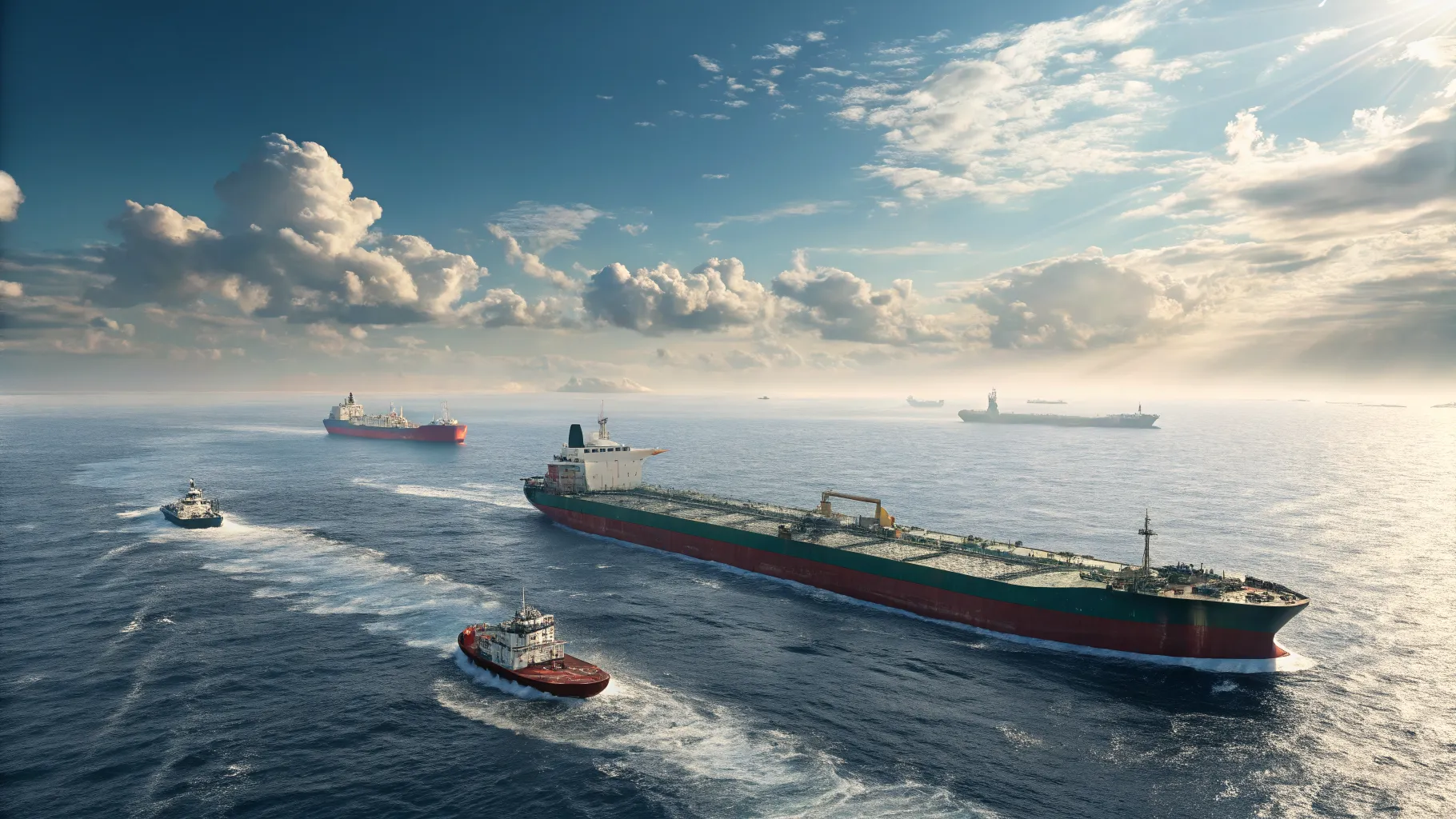

A deadly outbreak in and around the Strait of Hormuz caused crude prices to rise to $126 per barrel, renewing the urgent debate over security and energy supply. As shipping routes tightened and markets changed, a veteran clean energy economist said the incident highlighted dependence on oil.
“I spent 20 years making the economic case for clean energy. Hormuz just made the geopolitical case – at the cost of many human lives and $126 per barrel of oil.”
The remarks reflect growing fears that a single choke point could shake the global economy. The incident, which left people dead and disrupted transportation near one of the world’s busiest oil crossings, sparked a rush for safer supplies and higher premiums.
Why the Strait of Hormuz is important
The Strait of Hormuz connects producers in the Middle East to buyers in Asia, Europe and the Americas. According to the U.S. Energy Information Administration, about one-fifth of the world’s petroleum liquids trade passes through this narrow waterway in a typical year. This share makes the strait a barometer of global risk.
Past tensions have had rapid effects on the markets. Tanker attacks and seizures in 2019 increased transportation costs and alarmed insurers. During the Iran-Iraq “tanker war” in the 1980s, naval escorts became common to maintain the flow of goods. Oil markets also remember the 2008 price surge, to nearly $147 per barrel, caused by tighter supply and financial flows.
When conflict escalates near Hormuz, buyers often pay a higher risk premium. Freight rates are increasing. Some ships divert, adding time and fuel costs. Refiners are reducing their inventories, while traders are hedging with futures and options. Consumers are feeling the change with diesel, gasoline and jet fuel.
From price to safety: a change in the energy debate
For years, advocates have argued that wind, solar, storage and energy efficiency could outperform fossil fuels on cost. The economist’s comment suggests that the case has widened. Power sources that do not rely on choke points can reduce shock exposure. Electric vehicles reduce the demand for oil in transportation. Heat pumps reduce gas consumption in buildings. Network upgrades and storage spread risk across regions rather than along a single route.
Several sectors could evolve more quickly if governments acted on safety as well as prices. Utilities can add firm capacity through batteries, demand response and transmission expansion. Transit agencies can electrify buses to avoid peaks in diesel consumption. Industrial users can adopt efficiency measures and green hydrogen pilot projects where possible.
But the transition will not be instantaneous. Heavy industry, aviation and shipping still rely on liquid fuels. Analysts warn that clean energy supply chains also face risks, from mineral supplies to manufacturing bottlenecks. Diversification, recycling and new business partnerships will be necessary to limit new bottlenecks.
Market reactions and political signals
Traders generally react to risk first, then fundamentals. A price rise to $126 reflects concerns over near-term supply. The next phase will test how much oil is actually taken out of service and for how long. If flows normalize quickly, the premiums could fade. If disruptions persist, stockpiling and rationing measures could follow in some regions.
Policymakers will likely consider both short- and long-term measures. In the short term, options include the release of emergency stocks, cooperation on maritime security and temporary tax measures to reduce fuel costs. In the long term, policies that reduce oil demand generally provide the best protection against recurring shocks.
- Approximately 20% of global trade in petroleum liquids passes through the Strait of Hormuz (EIA).
- Oil peaked at nearly $147 a barrel in 2008, during a period of tight supply.
- Past disruptions have increased freight and insurance costs for tankers transiting the Gulf.
What the incident means for the energy transition
The latest surge shows how geopolitical risk can cause prices to move faster than technology can adjust. Energy projects and vehicle fleets take years to build and replace. Yet each shock changes demand expectations. When fuel costs rise and stay high, efficiency and electrification typically accelerate.
Investors will be watching to see if this episode changes companies’ plans. Airlines cover fuel. Shippers are looking for longer-term contracts. Utilities are reassessing generation mixes and storage. If governments turn safety concerns into sustainable policies – through standards, incentives and permitting reforms – the result could be a more stable demand for clean energy and equipment.
The fundamental lesson is simple: supply concentrated in a narrow strait weakens the global system. Reducing this fragility requires both short-term stability measures and a reduction in long-term oil demand.
The economist’s warning measures the stakes. Soaring prices and lost lives represent a high cost for a lesson learned time and time again. The coming weeks will show whether leaders respond only with short-term solutions or with a lasting plan to make energy cleaner, cheaper and more secure in the face of the next shock.



