
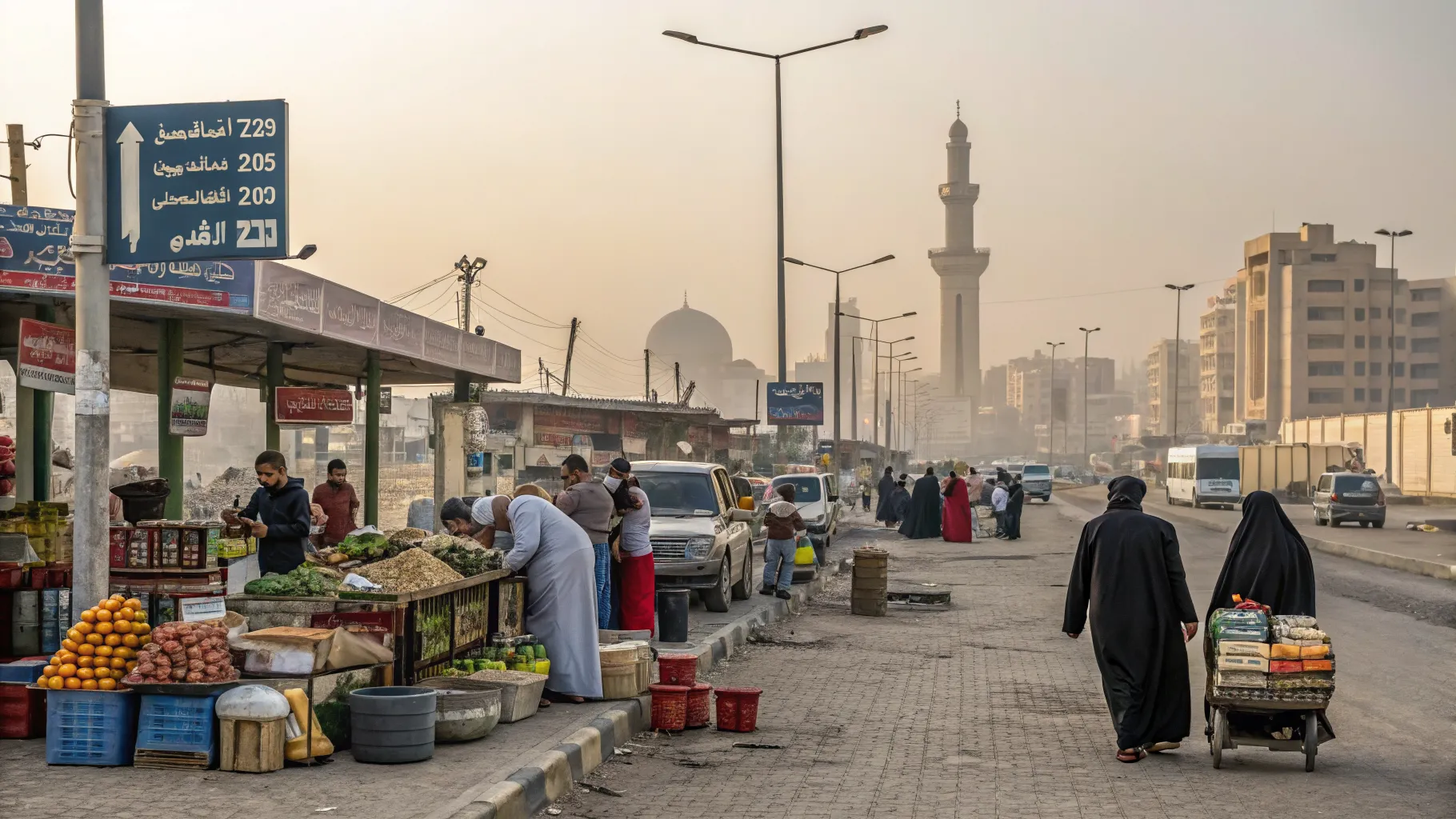

Growing tensions in the Middle East are impacting household budgets, driving up the price of gasoline, household energy and food in many countries. The pressure is mounting as traders assess supply risks, shippers reroute vessels and retailers pass on higher costs to consumers. Policymakers face pressure to stabilize markets and protect low-income families as the ripples spread across economies.
“The conflict in the Middle East has increased pressure on cost of gasolinehousehold energy bills and even food.
How geopolitics arrives at the checkout
Oil markets react quickly to any threat to supply. Even as barrels continue to flow, fears of disruption drive prices higher. This cost appears at the pump within a few days. Natural gas markets evolve through a similar channel. Concerns over shipping routes may increase liquefied natural gas prices and delivery times, affecting electricity and heating bills.
Food prices rise more slowly but may remain high for longer. Transportation fuel plays a major role in getting goods to stores. Fertilizers, which rely on natural gas, are also becoming more expensive. These pressures impact bread, meat and produce over several months.
Pressure points: oil, gas and shipping
The Middle East is home to several key chokepoints for global trade. Any risk on tanker routes increases insurance costs and delays shipments. Energy companies could hold more inventory as a buffer, tying up capital and increasing their carrying costs. Refiners adjust production and maintenance based on uncertain deliveries.
These measures can tighten supply even without direct loss of production. Wholesale prices then set a higher floor for retail fuel and electricity. Utilities cover their purchases, but long-term disruptions can outlast these contracts.
Lessons from recent shocks
Past crises show how quickly price spikes can spread. The 1973 oil embargo reshaped energy policy for decades. More recently, the 2022 gas shock in Europe has driven up electricity prices and inflation in many sectors. Central banks have increased their rates to combat the rise. Governments have launched heating bill support programs and imposed exceptional taxes on certain producers.
These episodes suggest that a combination of short-term relief measures and long-term supply measures works best. They also show that energy shocks can survive the initial trigger.
Households and small businesses are feeling the pressure
Drivers face higher weekly fuel costs. Households on variable tariffs see their bills increase as suppliers adjust their prices. Small businesses that rely on delivery or refrigeration fleets are experiencing a double whammy when it comes to fuel and electricity.
- Fuel costs increase logistics and retail prices.
- Rising gas prices are driving up electricity and heating bills.
- Fertilizers and transportation drive up food costs.
Low-income families are most at risk because energy and food represent a larger share of their income. Charities warn that demand for food pantries increases when utility bills rise.
Answers in discussion
Governments are considering targeted support. Options include a time-limited exemption from fuel taxes, expanded energy bill credits and food stamps. Some regulators encourage providers to offer flexible payment plans to avoid arrears. Energy agencies review storage targets and recommend efficiency measures to reduce demand during peak hours.
Analysts say clear guidance helps calm markets. They emphasize transparent use of strategic reserves, predictable gas tender schedules and coordinated transport security measures. Clear signals can reduce speculation and stabilize wholesale prices.
What to watch next
Markets will closely monitor three factors. First, any confirmed loss of supply or pipeline failure. Second, shipping conditions on key routes and their insurance costs. Third, policy measures that affect taxes, subsidies or the release of reserves.
Retailers generally pass on higher energy and transportation costs with a lag. If wholesale prices stabilize, the rise in food and fuel prices could ease later. If the shocks persist, inflation could remain persistent and force stricter policy choices.
The latest tensions have already driven up the costs of fuel, energy and groceries. Households and small businesses are adjusting their budgets and cutting where they can. The scale of the crisis will depend on the security of supply and the speed of policies. If shipping risks ease and reserves are well managed, price pressure could ease. Otherwise, families should prepare for a longer period of budget restraint and expect targeted assistance in the coming months.



